Every wedding morning looks different, but one thing always stays the same: how quickly time disappears once the day starts moving. Steph and Sam’s day at Gosfield Hall was a perfect example, calm one minute, chaos the next, and filled with so many sweet moments in between.
This blog isn’t just about their wedding. It’s about what any engaged couple planning a wedding can learn, especially when it comes to feeling confident in front of the camera, planning portrait sessions into the wedding day timeline, and keeping the day enjoyable rather than rushed.
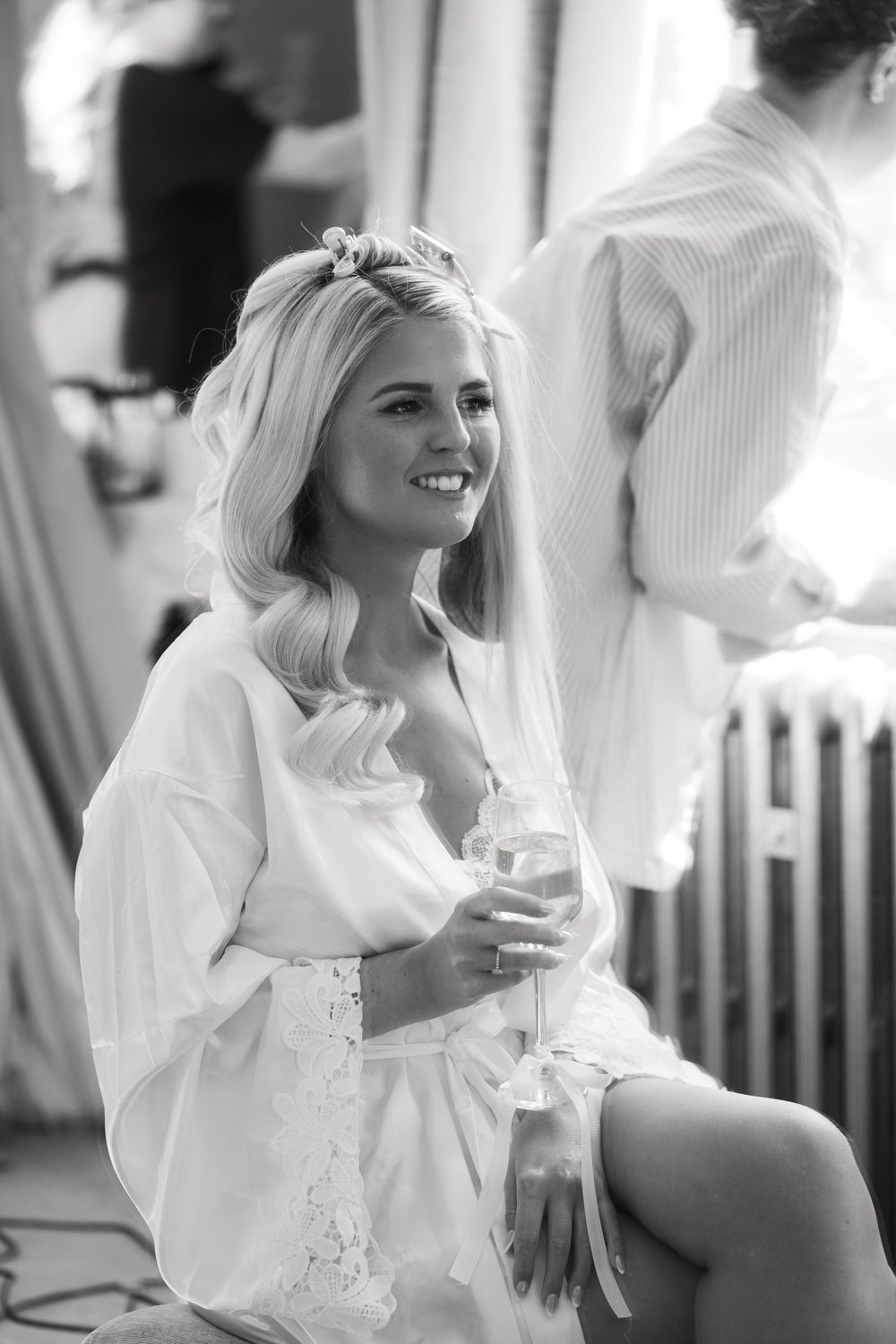
Morning prep: calm, chaos and everything in between
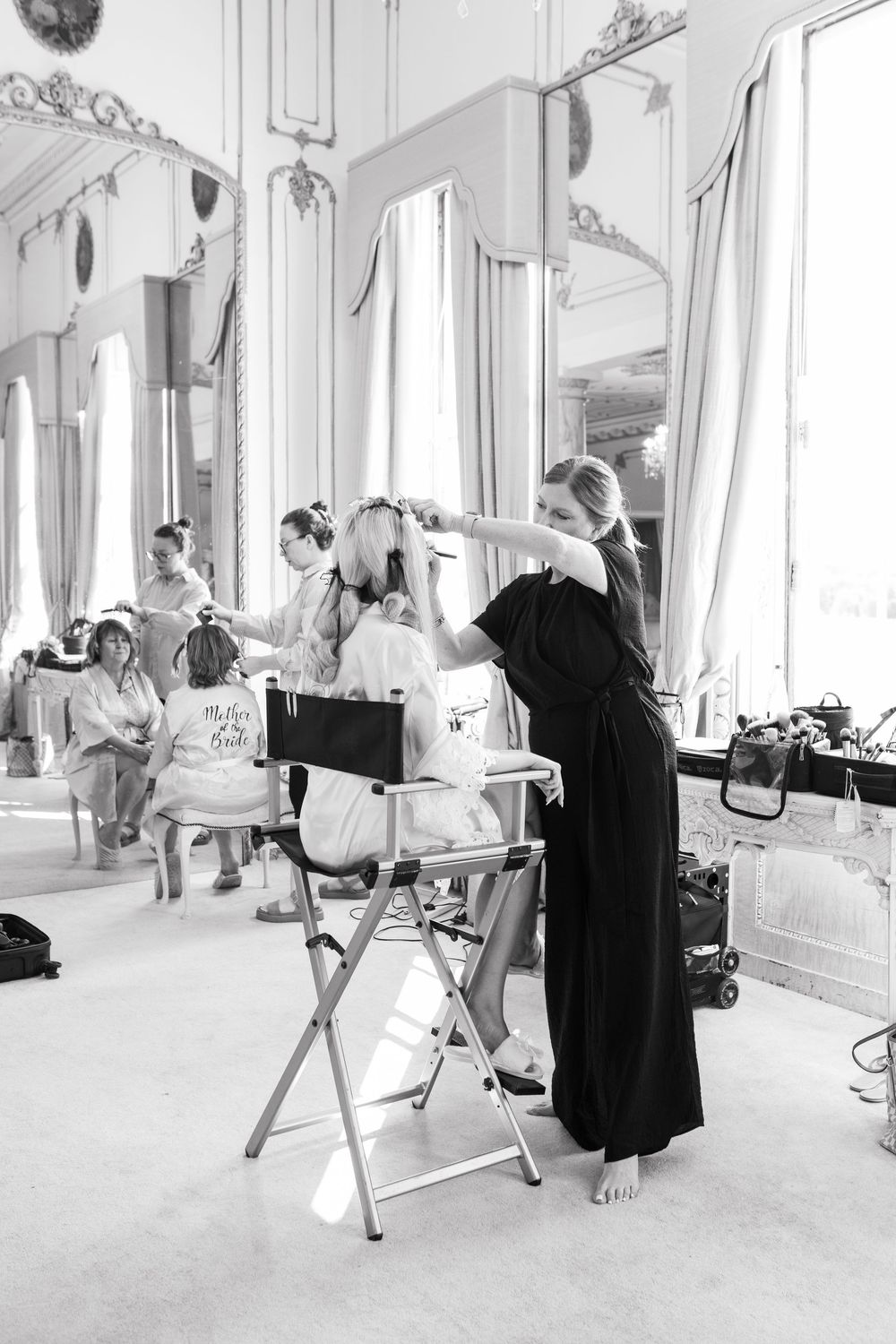
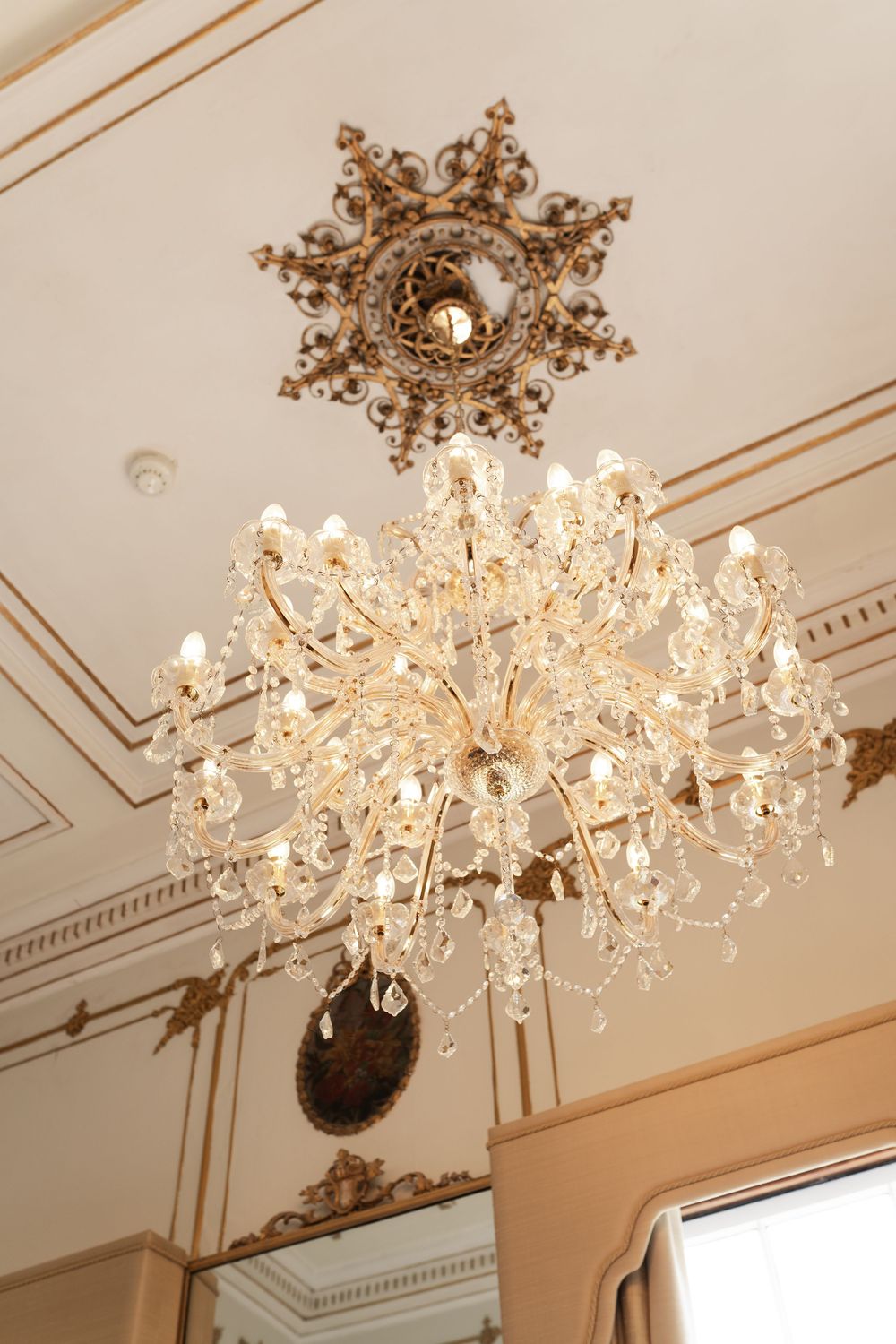
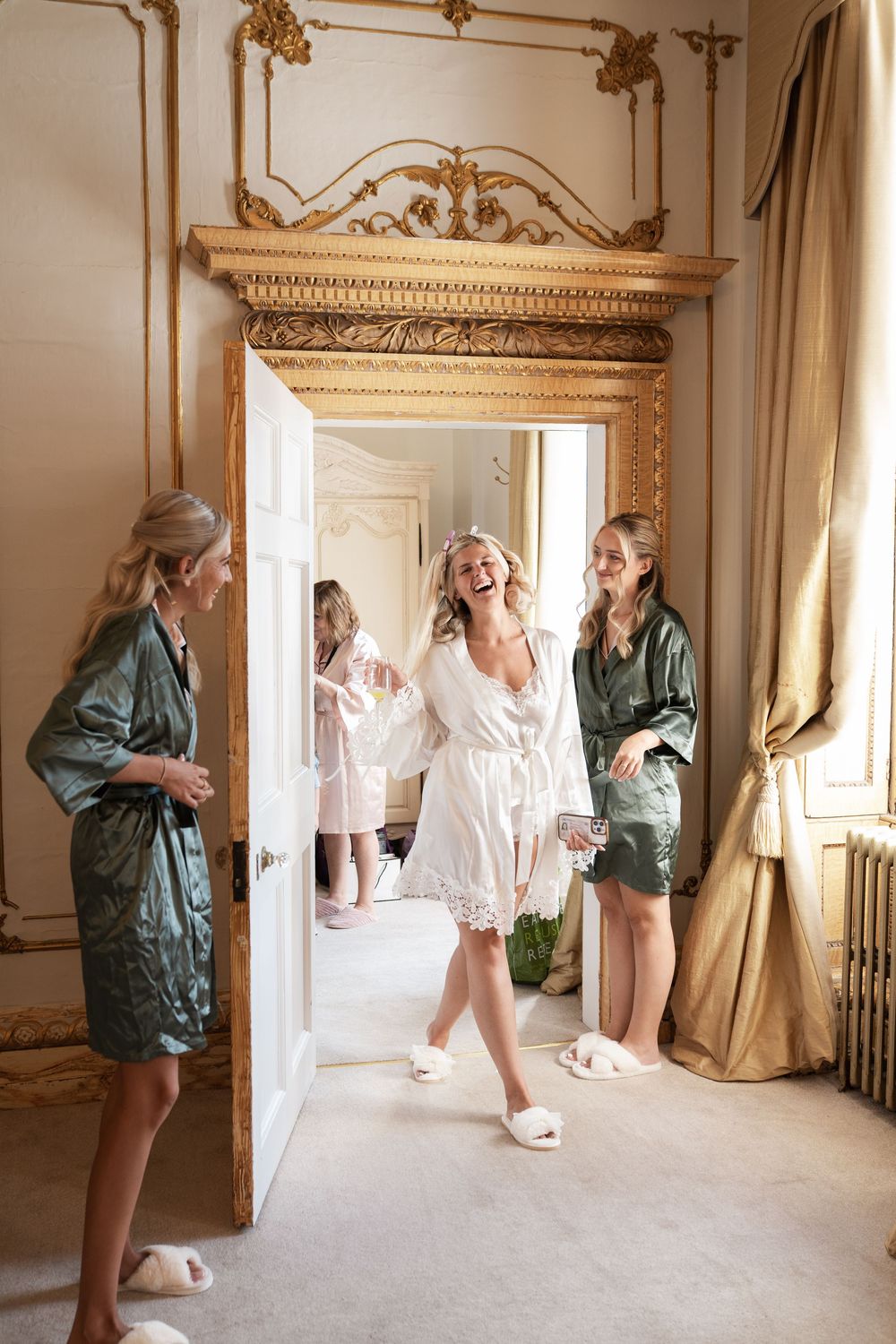
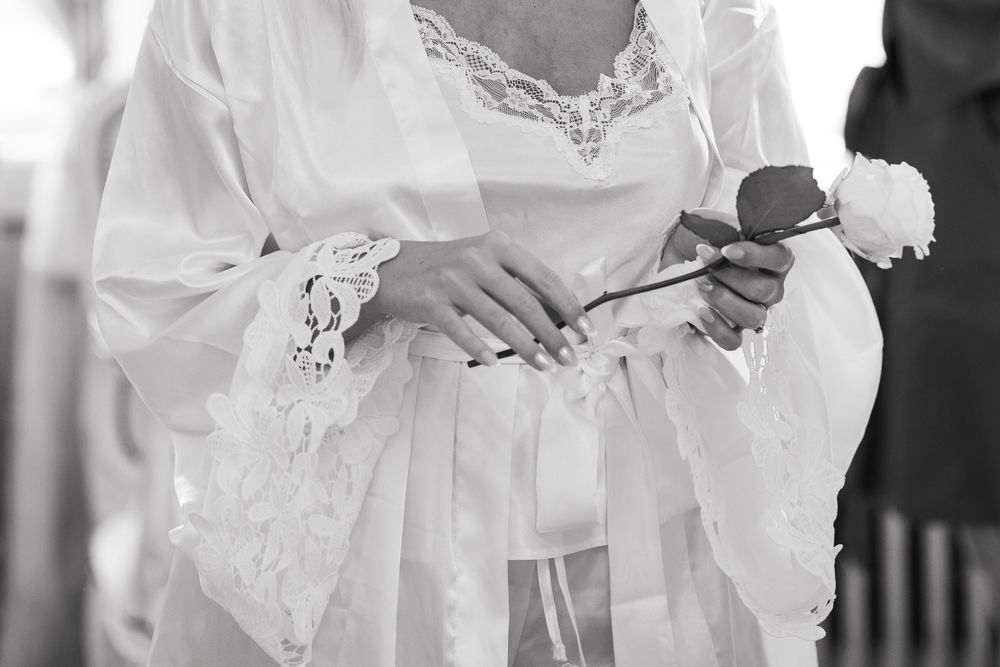
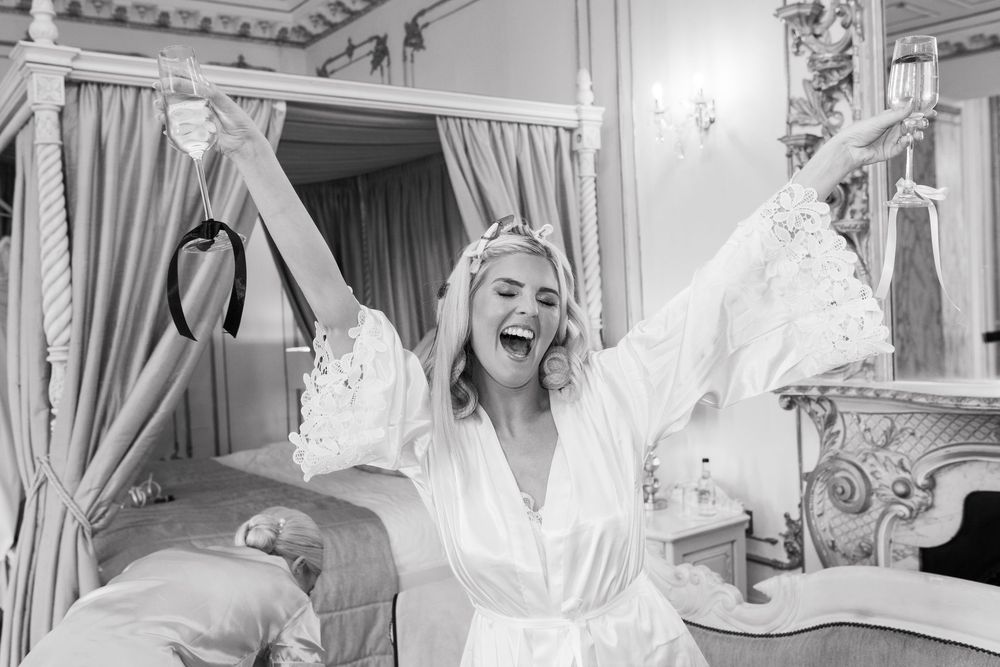
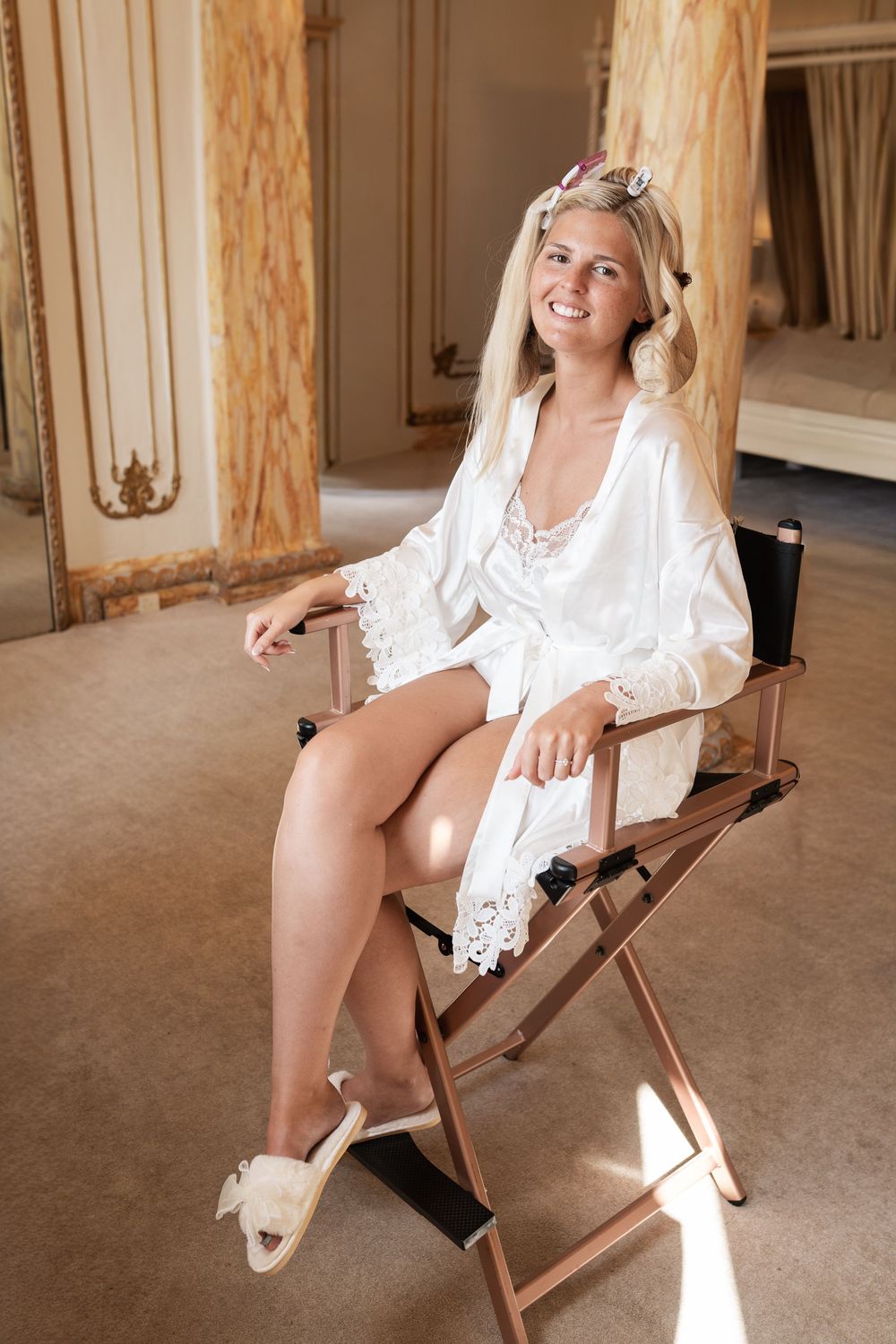
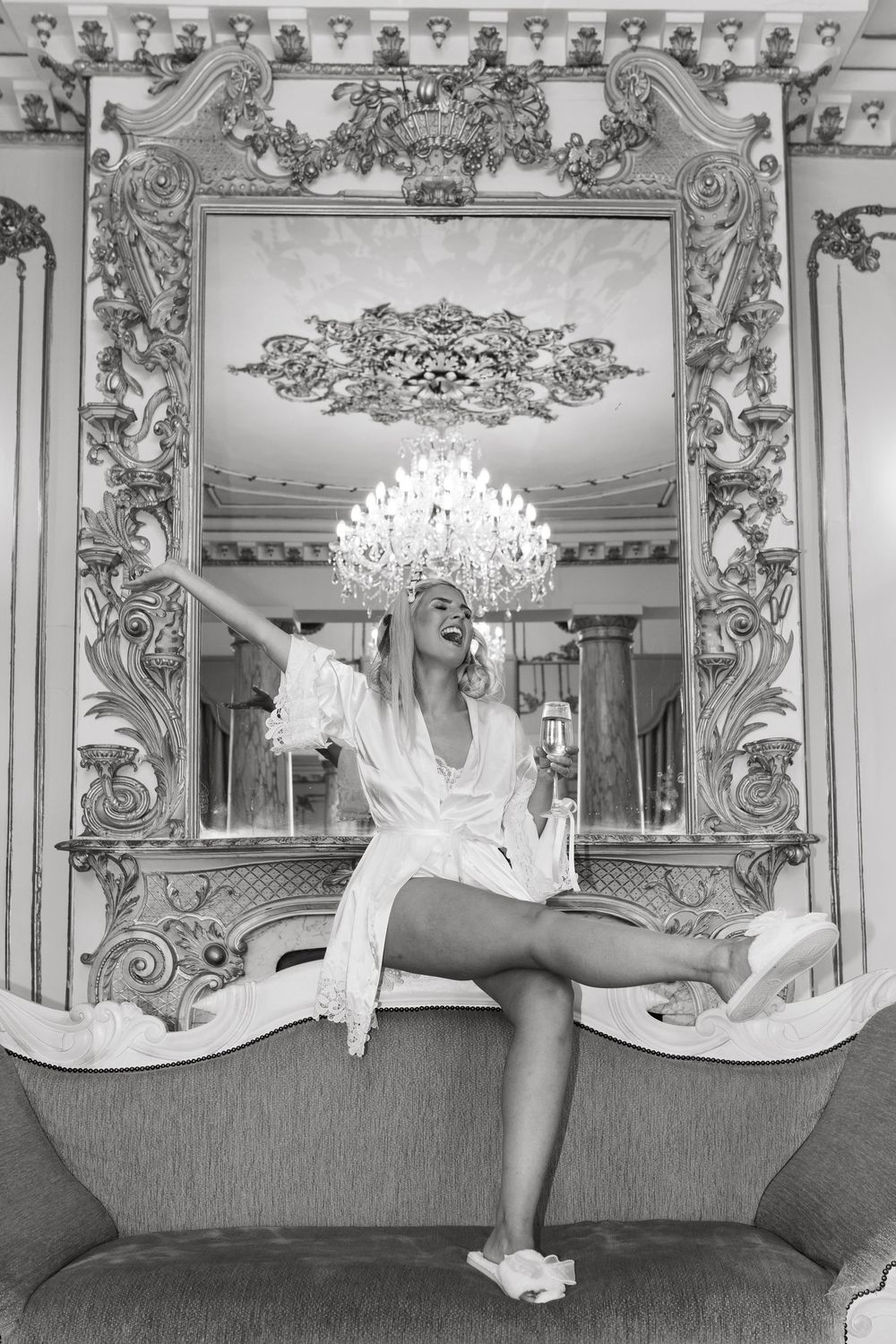
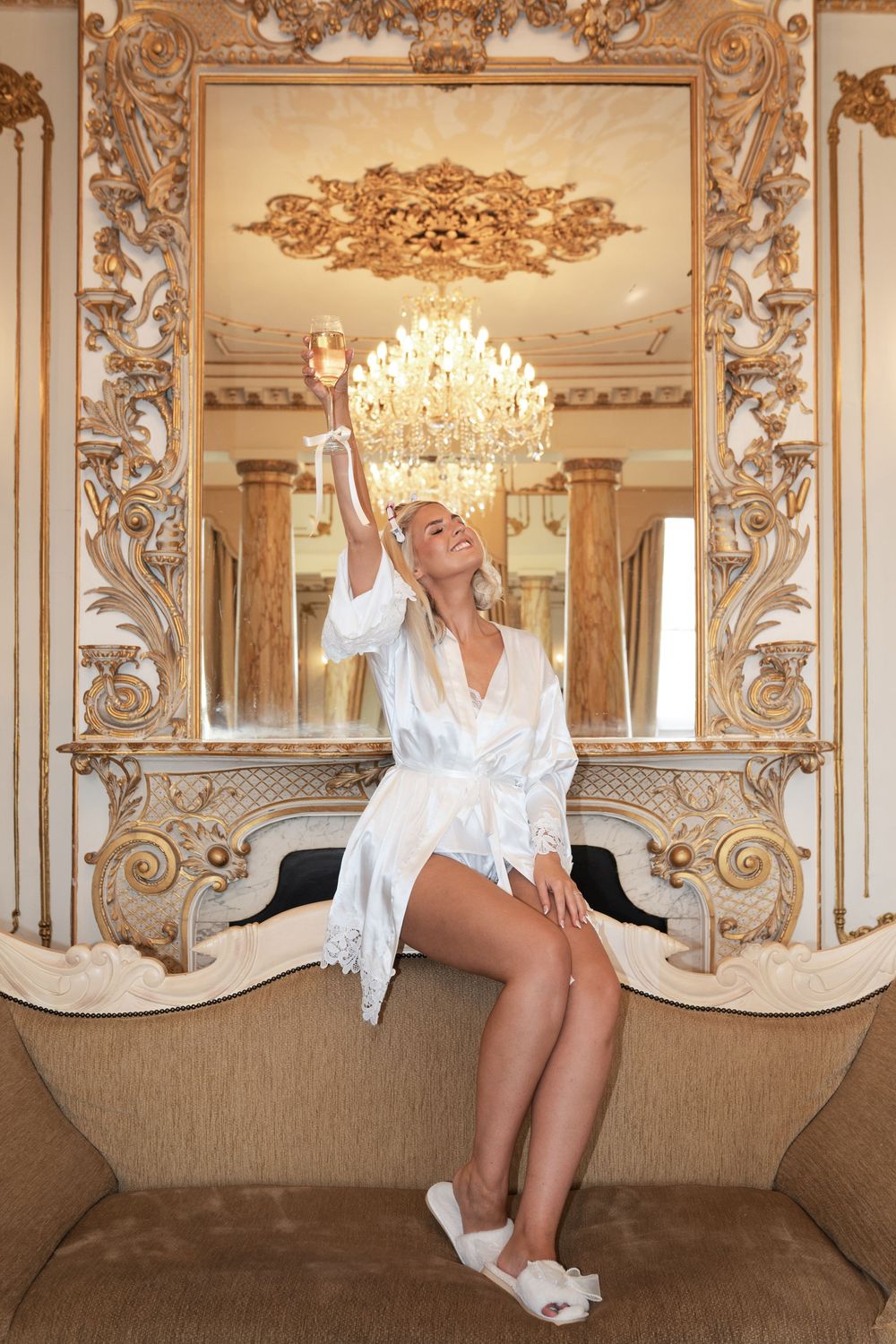
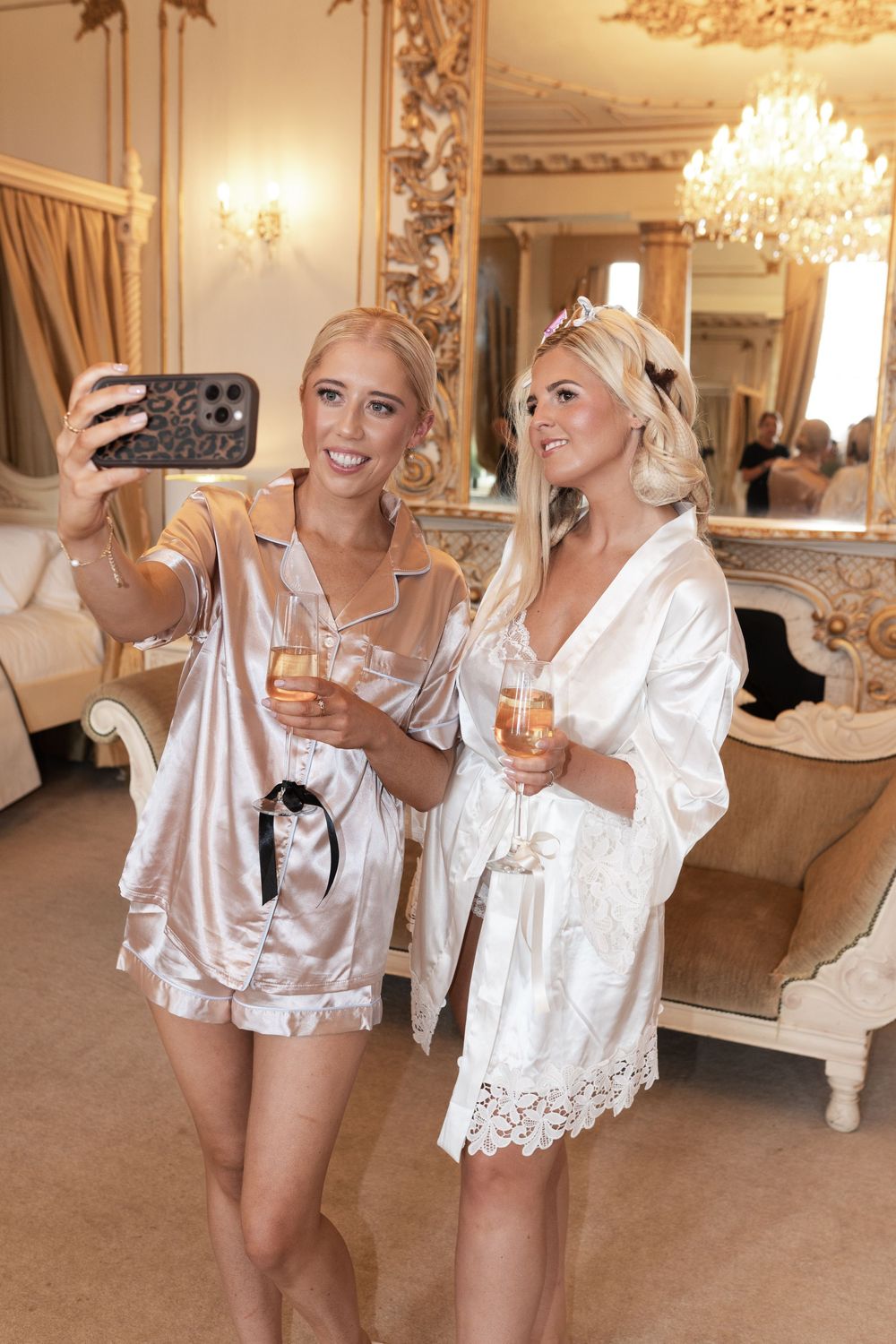
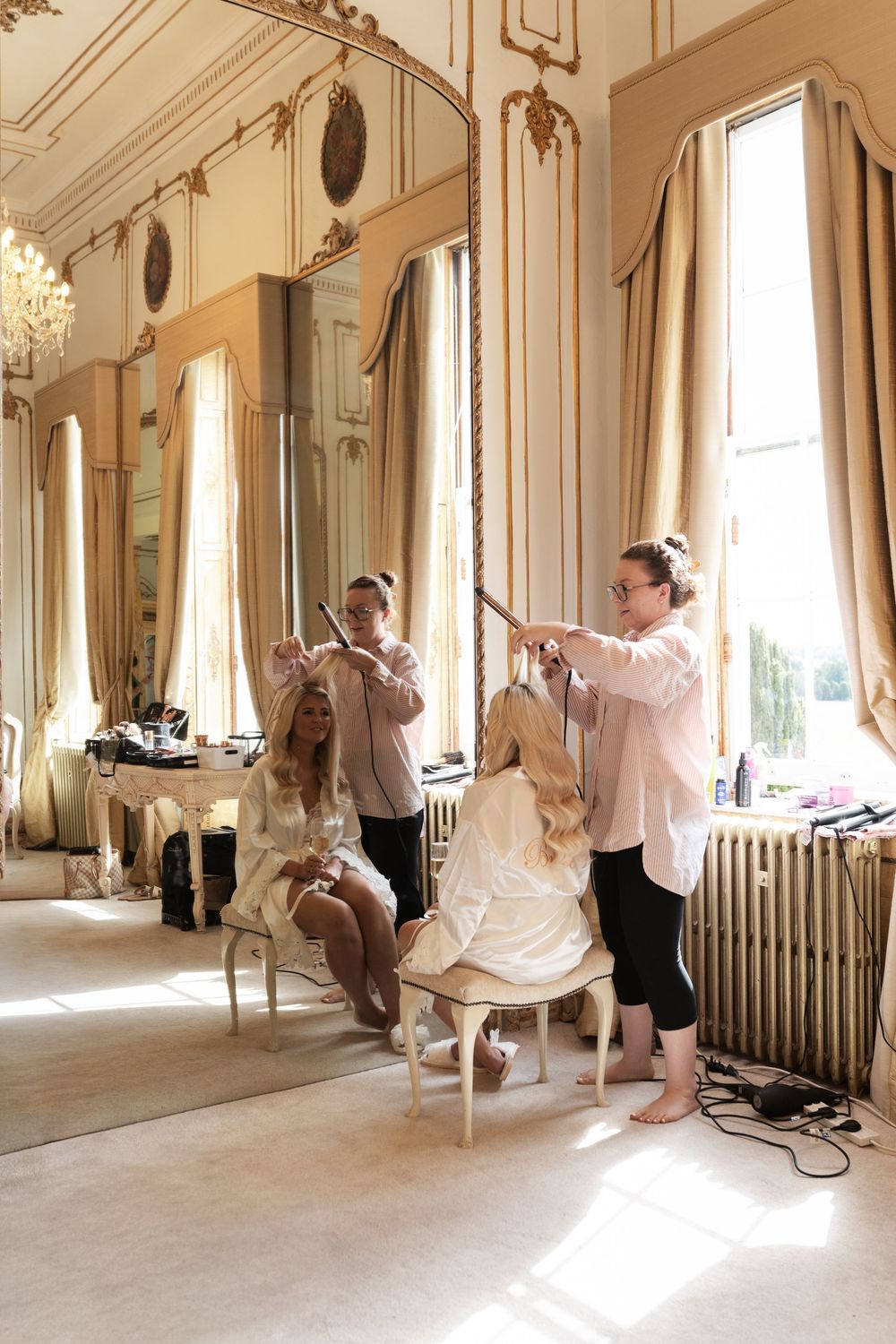
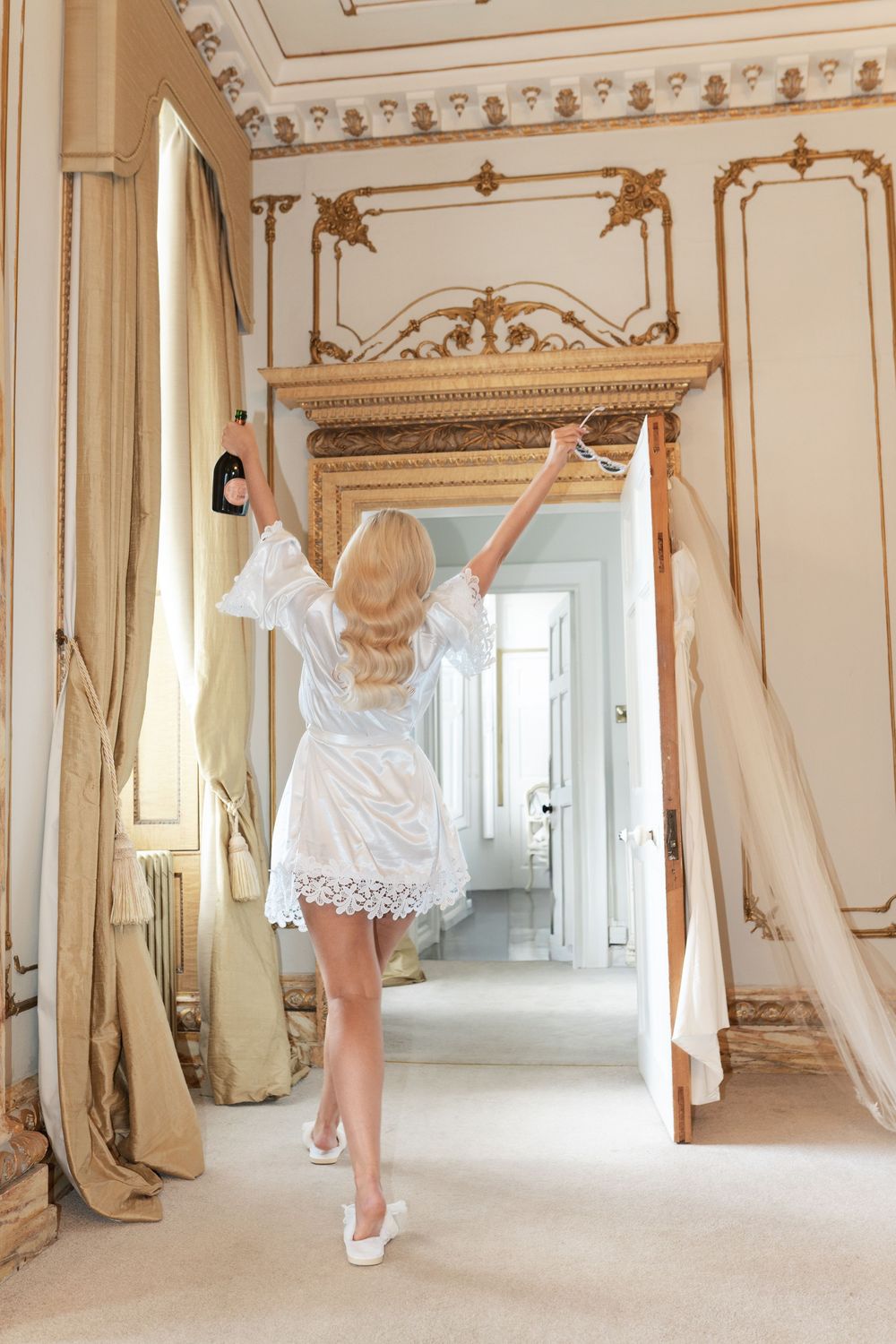
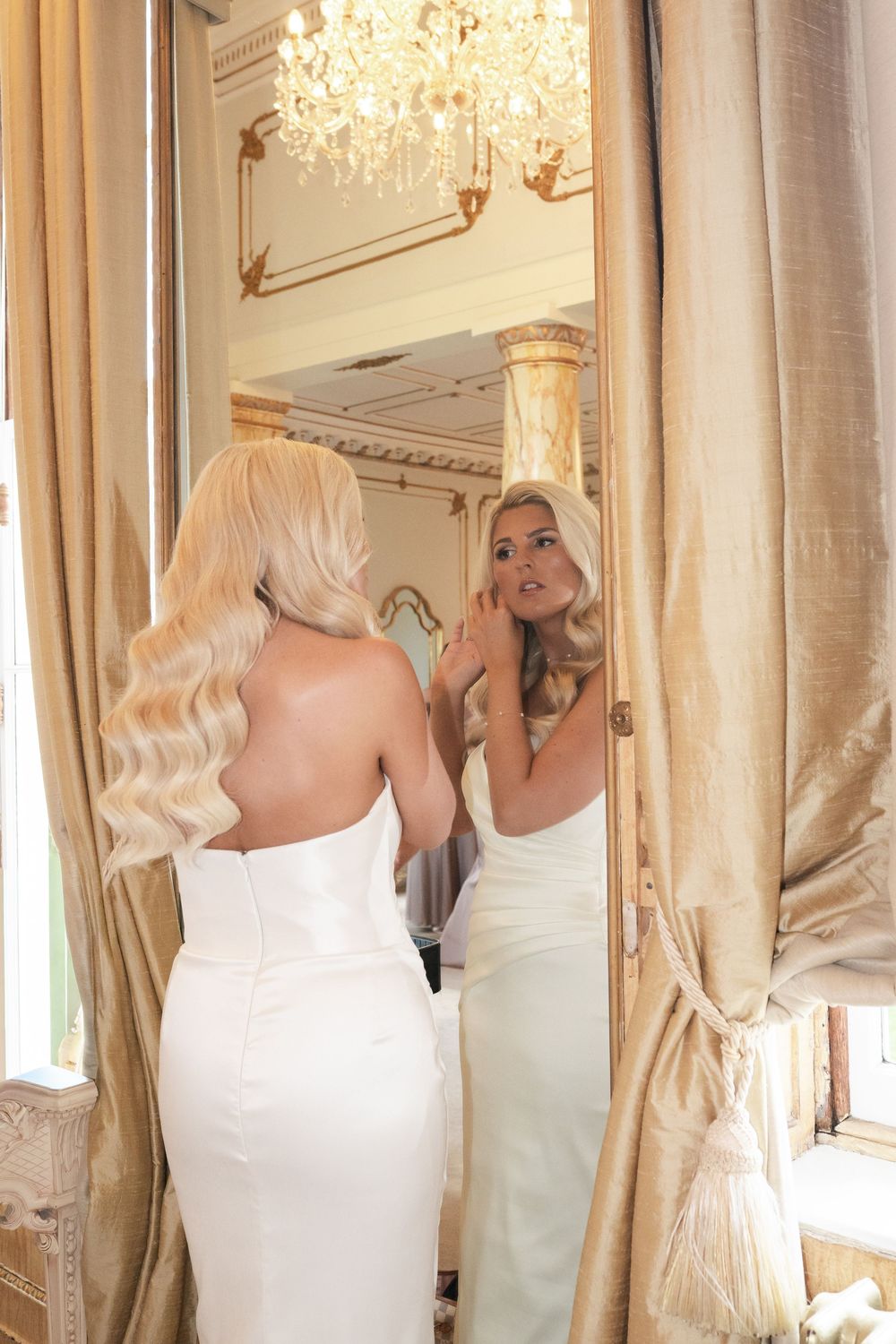
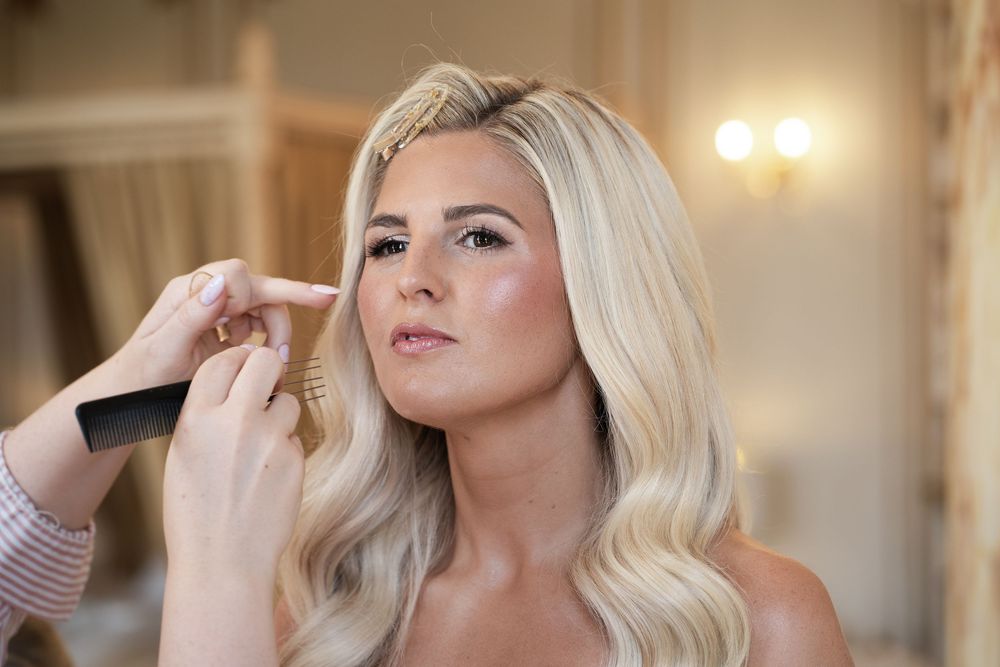
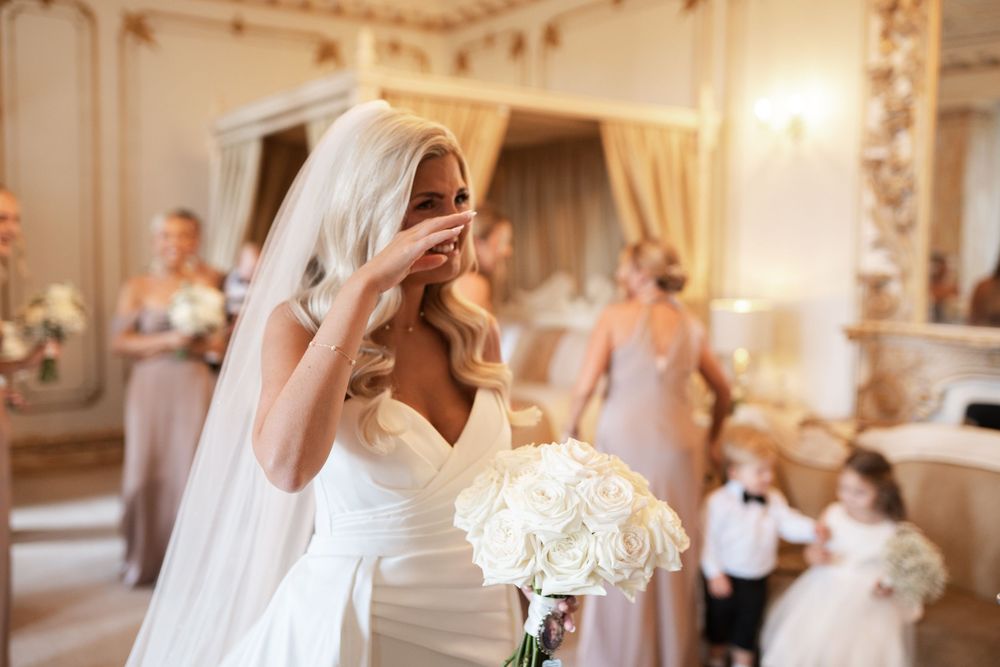
The girls started in a small cottage before moving up to the Rococo bridal suite, a breathtaking bridal preparation room with massive mirrors on both sides, chandeliers, and light bouncing from every direction. It’s one of those rooms that makes you pause the second you walk in. The plan was perfect on paper: hair and makeup finished with enough time for bridal party portraits in pyjamas, a few fun group shots, and some individual bride portraits with champagne before putting on the dress.
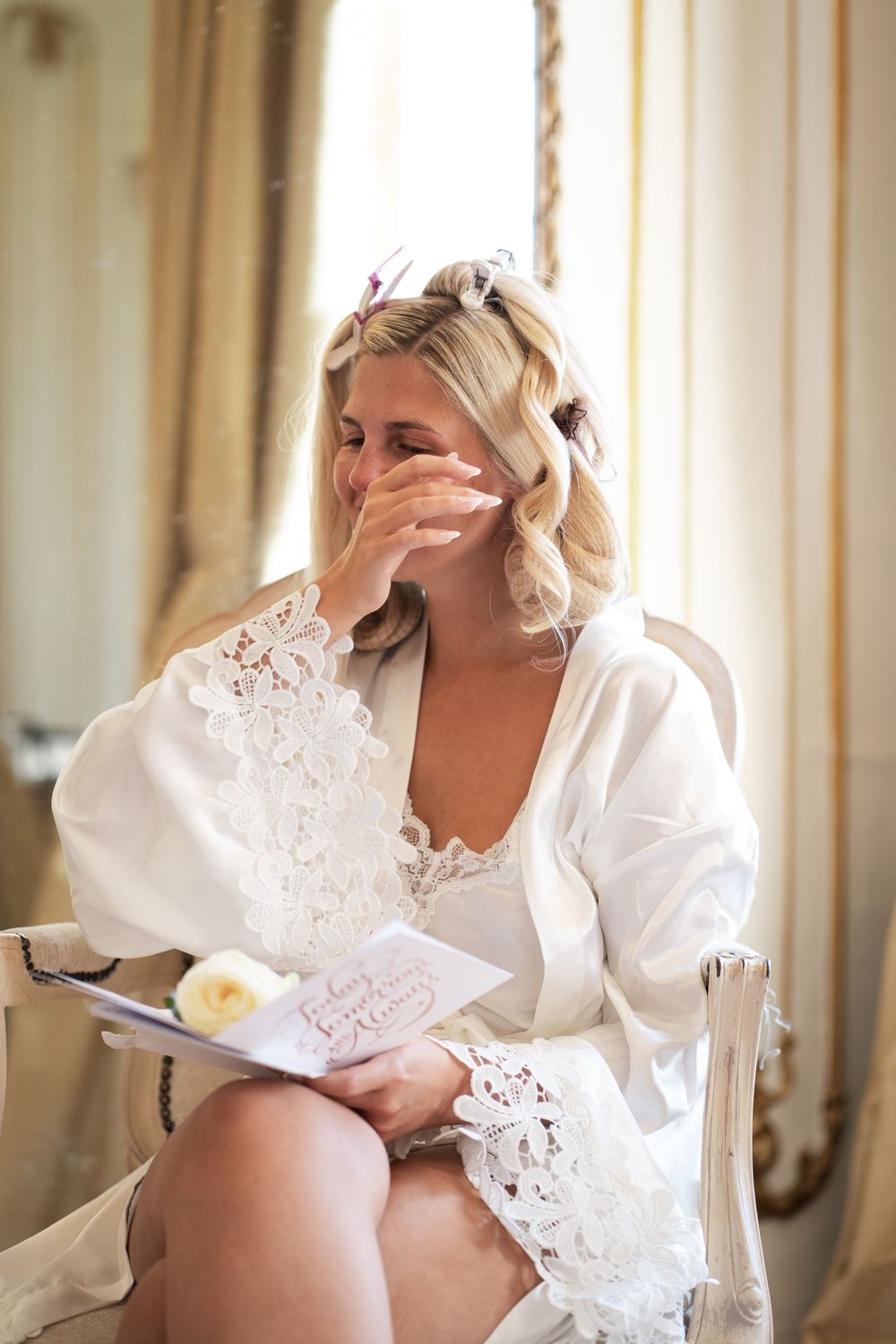
But as it often happens, time slipped away. Things were running smoothly until everyone realised that “plenty of time” wasn’t plenty anymore. Between gift exchanges, laughter, and tears, hair and makeup ran slightly longer than expected. That small delay meant those morning portraits had to be cut short, only ten minutes for champagne photos, which were a must for Steph. The rest of the portraits had to wait until later in the day.
Here’s what engaged couples can take away:
- Set clear finish times with your hair and makeup team. Your beauty team needs to know exactly when you want to be photo ready, not just when you need to leave for the ceremony.
- Add buffer time into your morning schedule. Always. It’s the one factor that separates calm mornings from stressful ones.
- Schedule at least 30 minutes after hair and makeup for bridal portraits before getting into the dress, and another 15 minutes after.


The Groom’s Morning: just as important
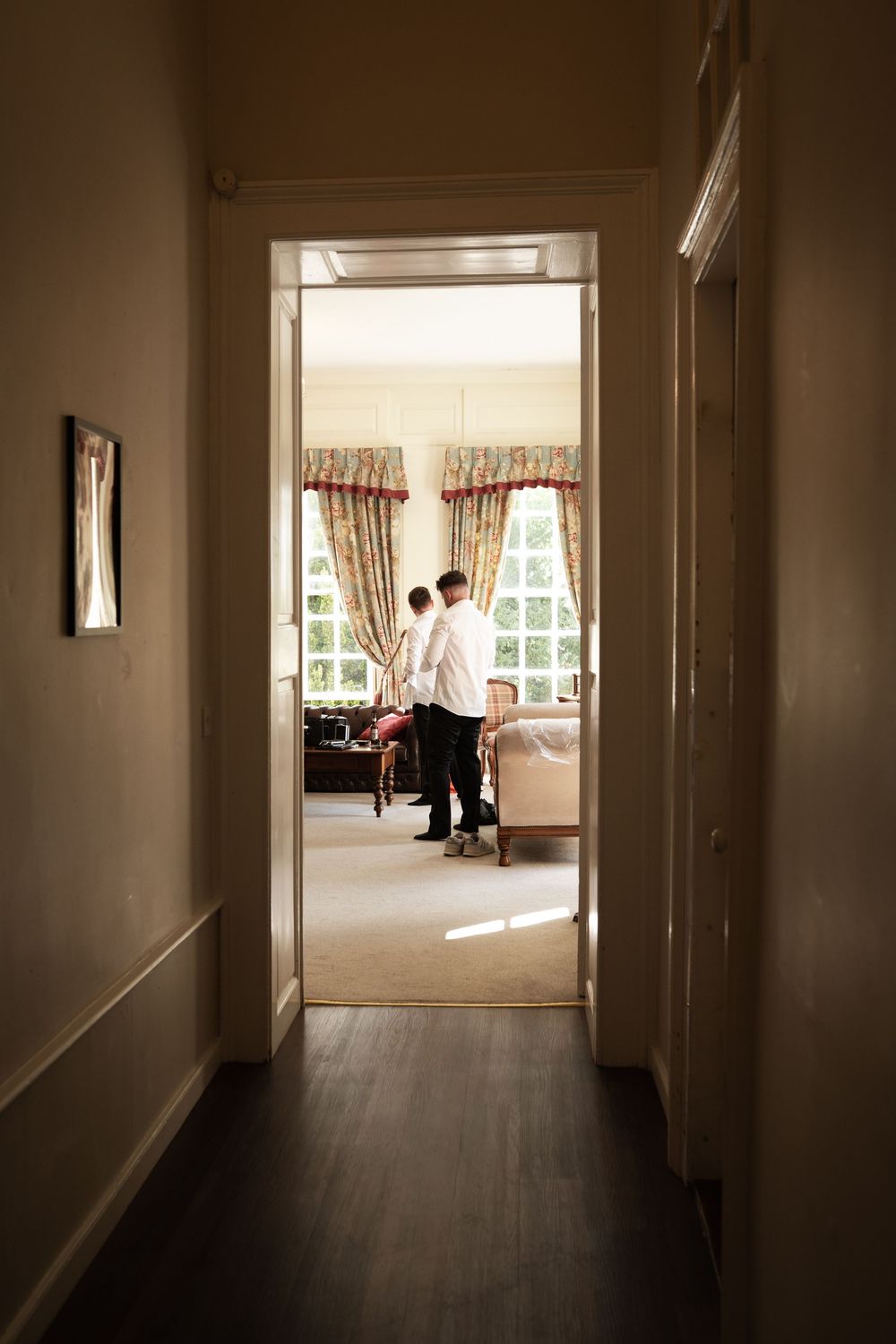
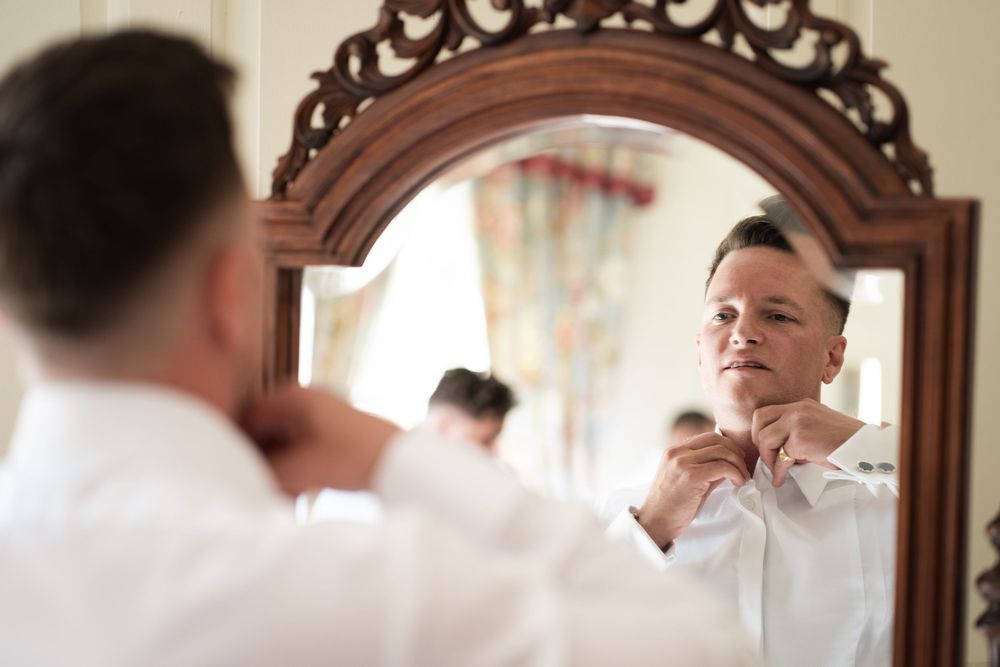
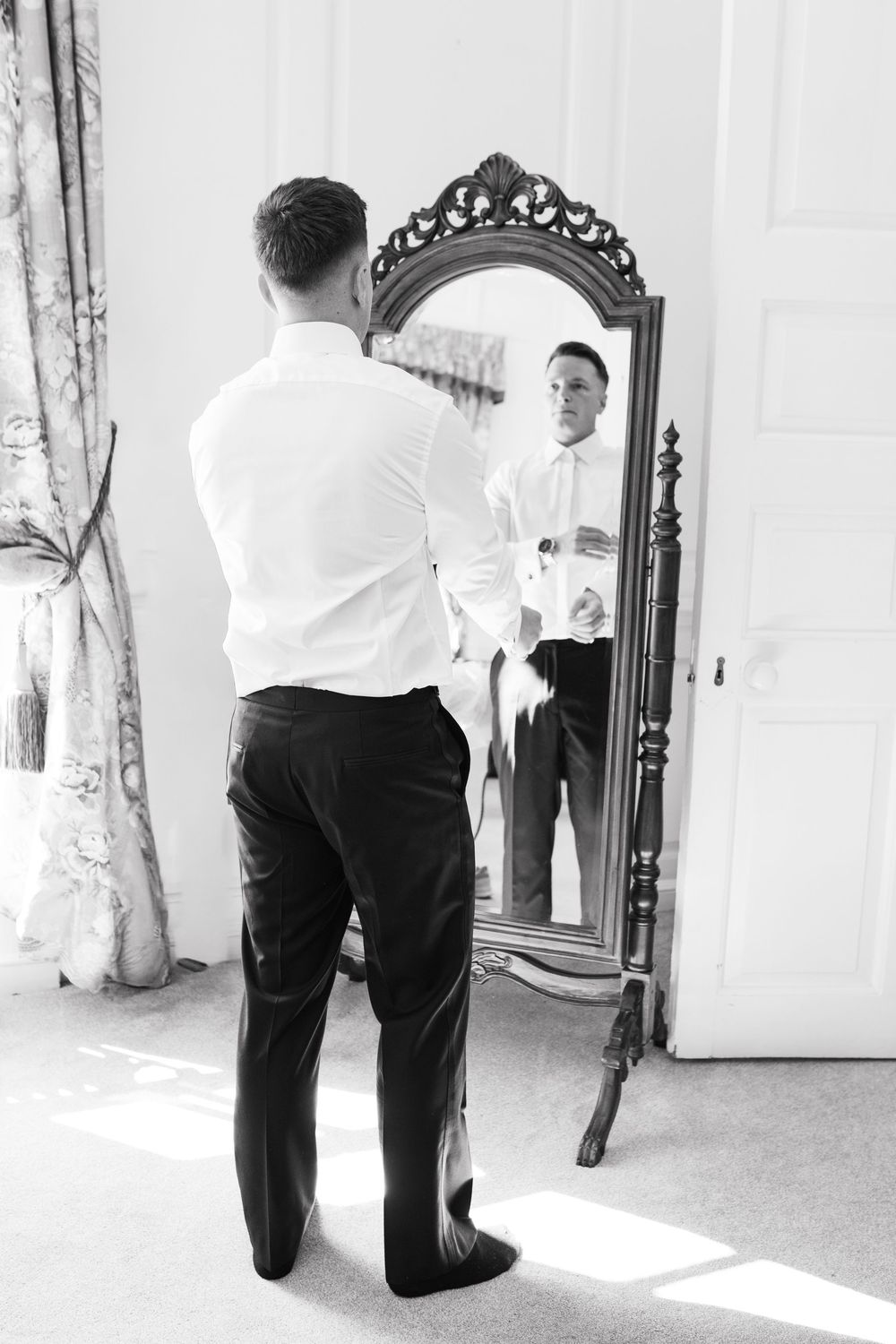
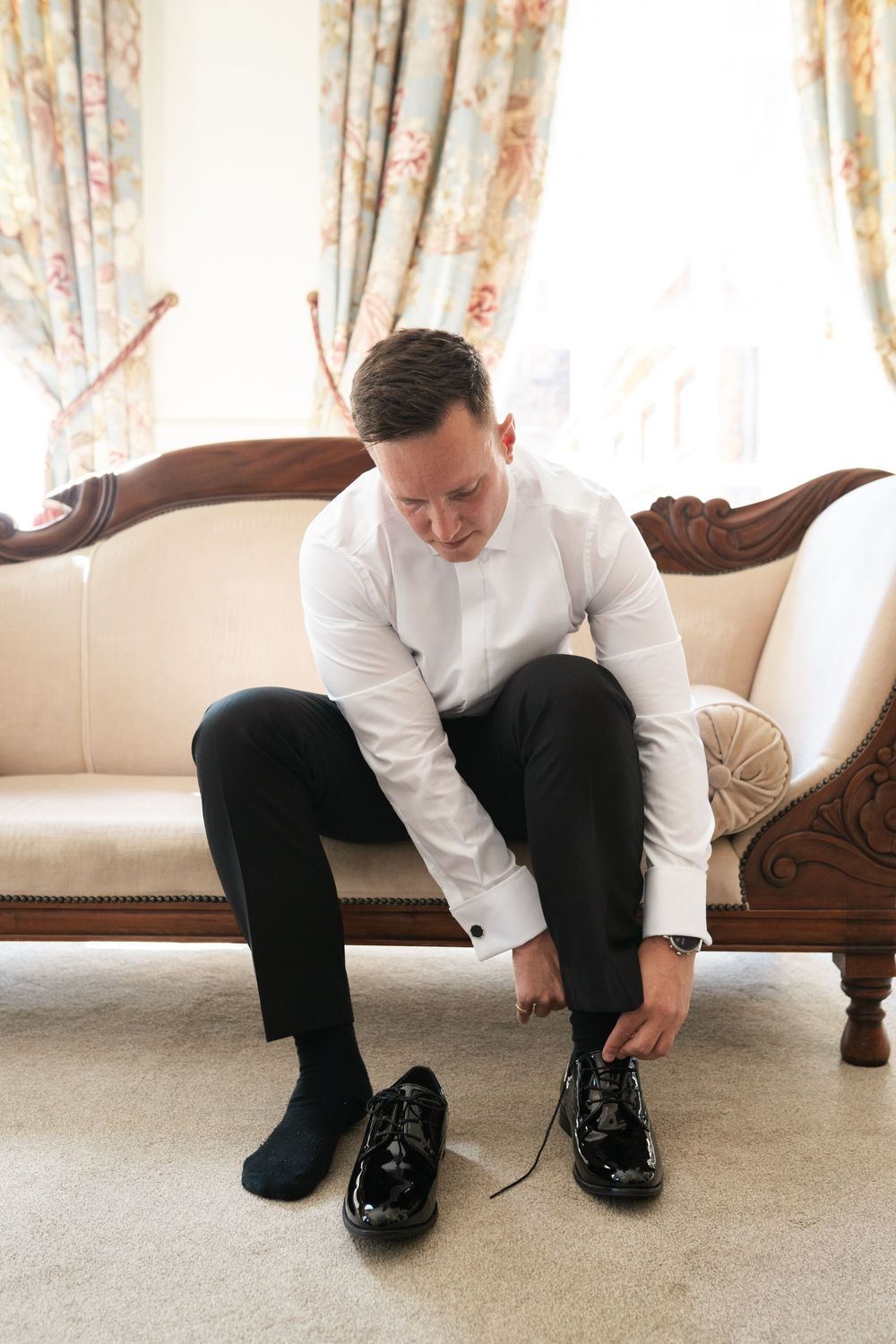
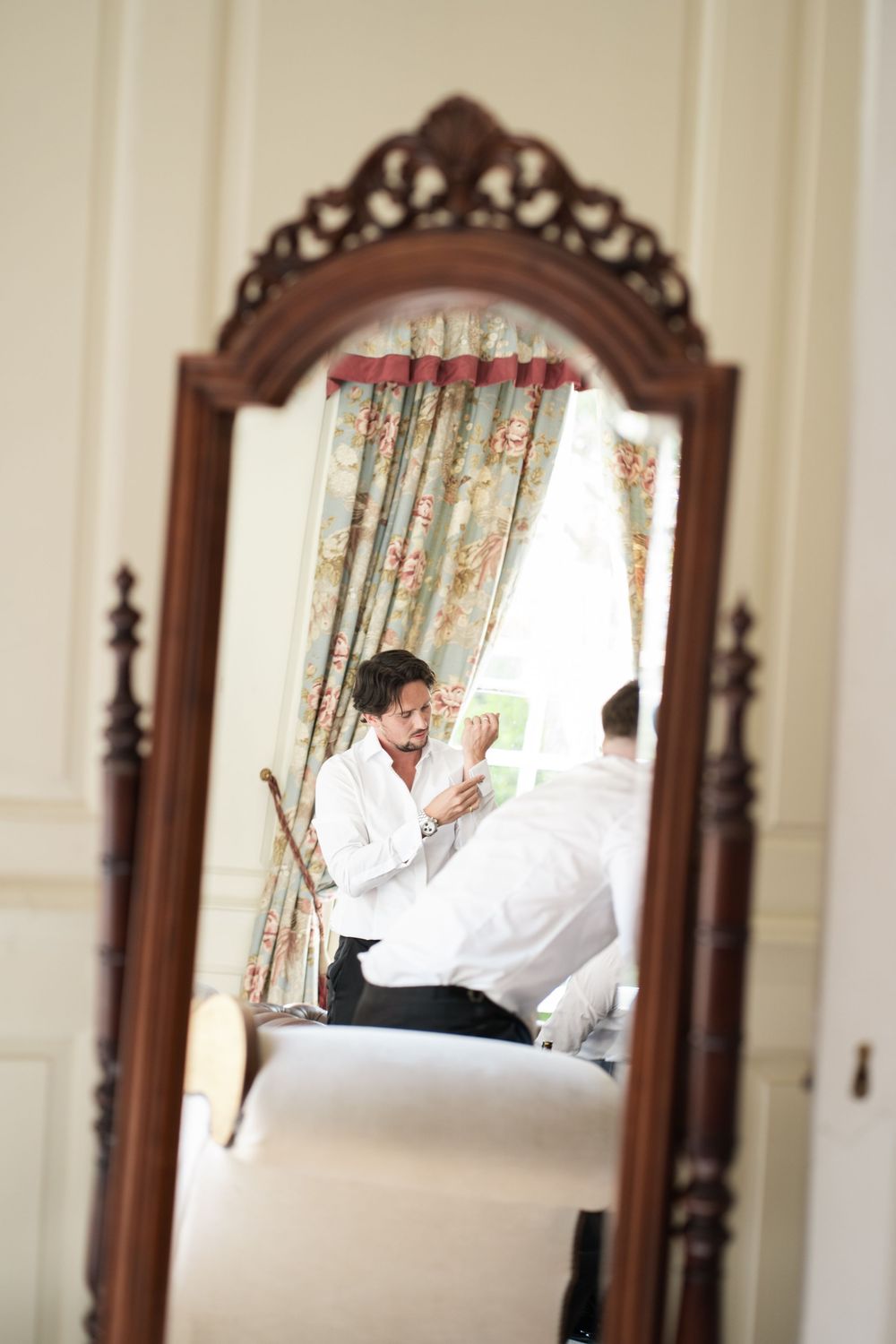
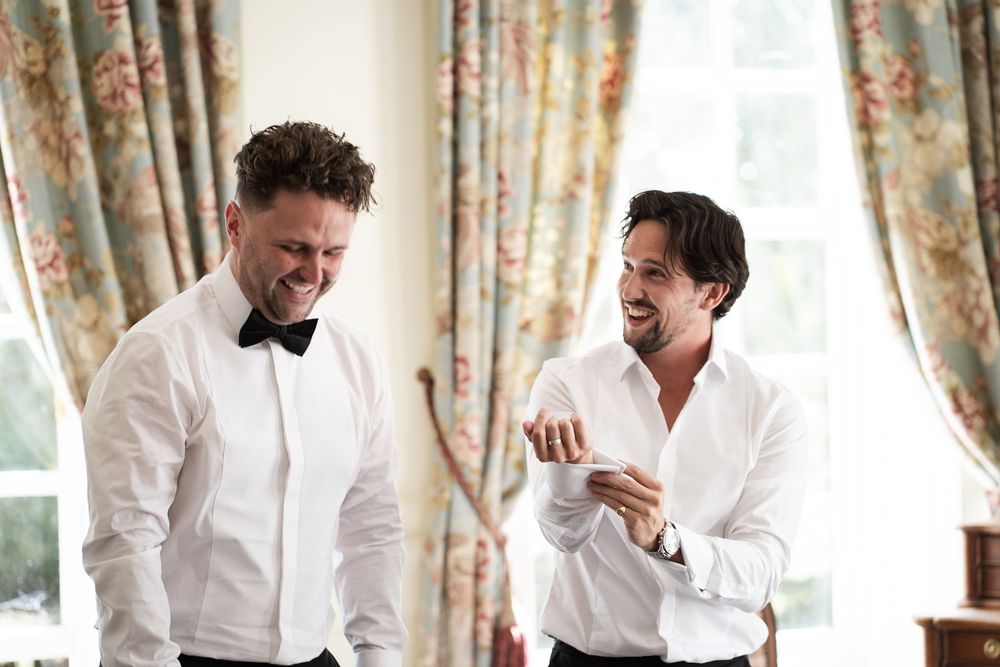
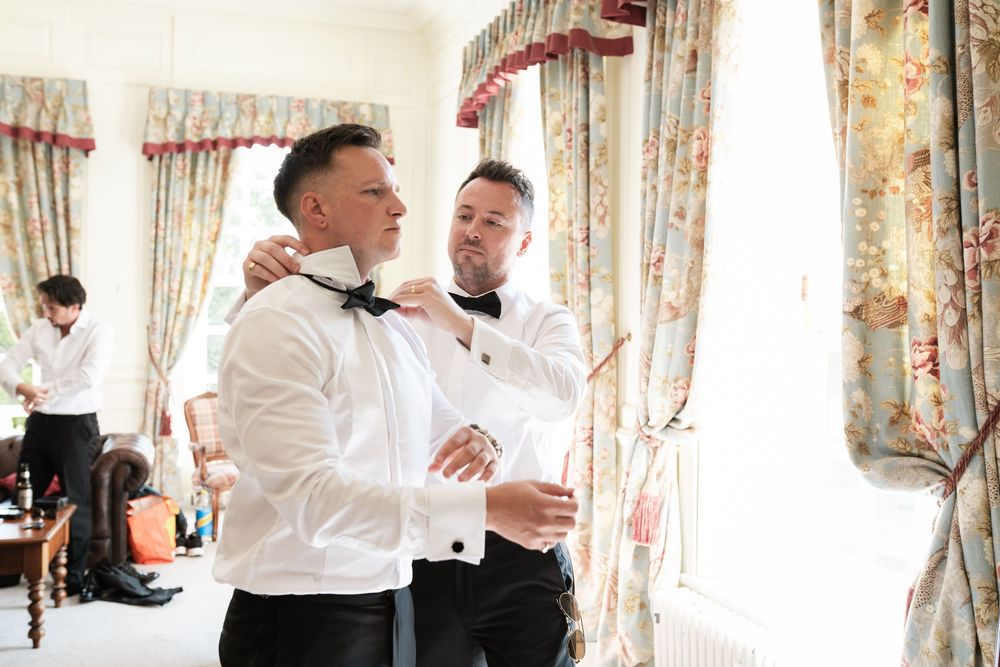
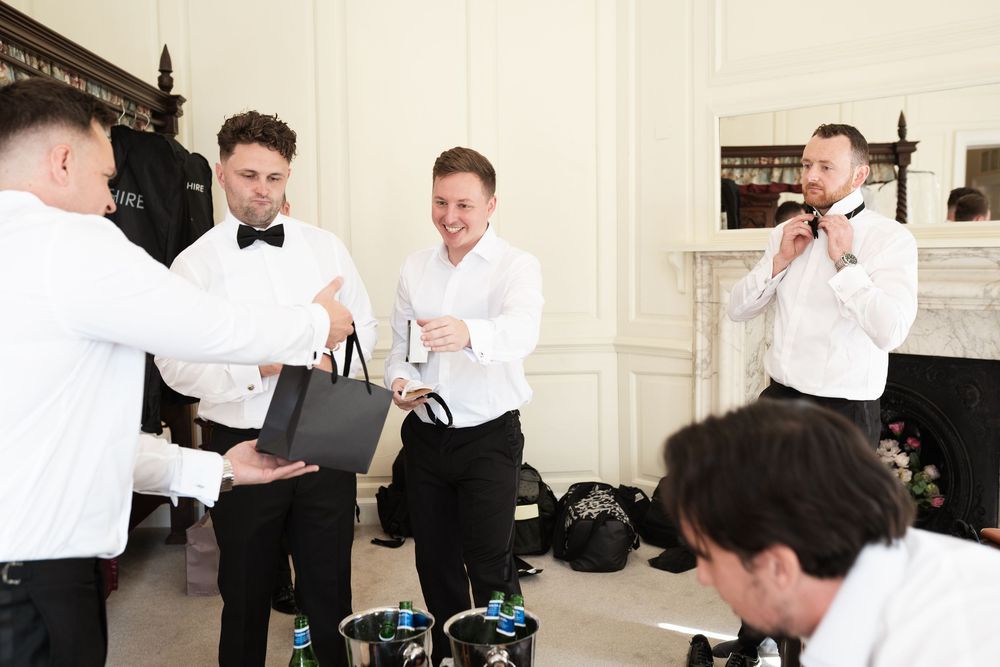
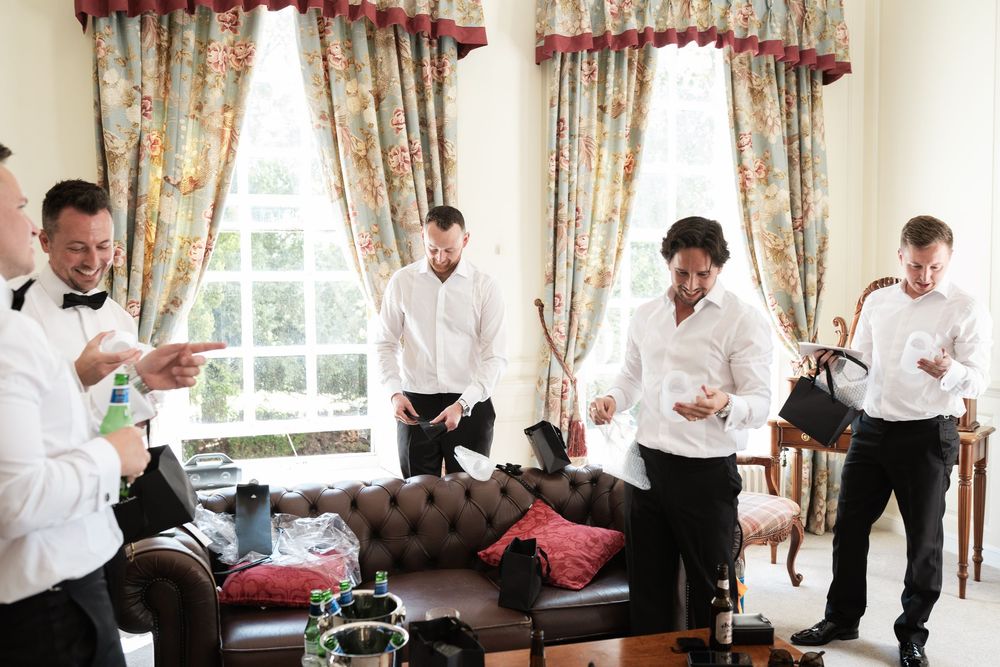
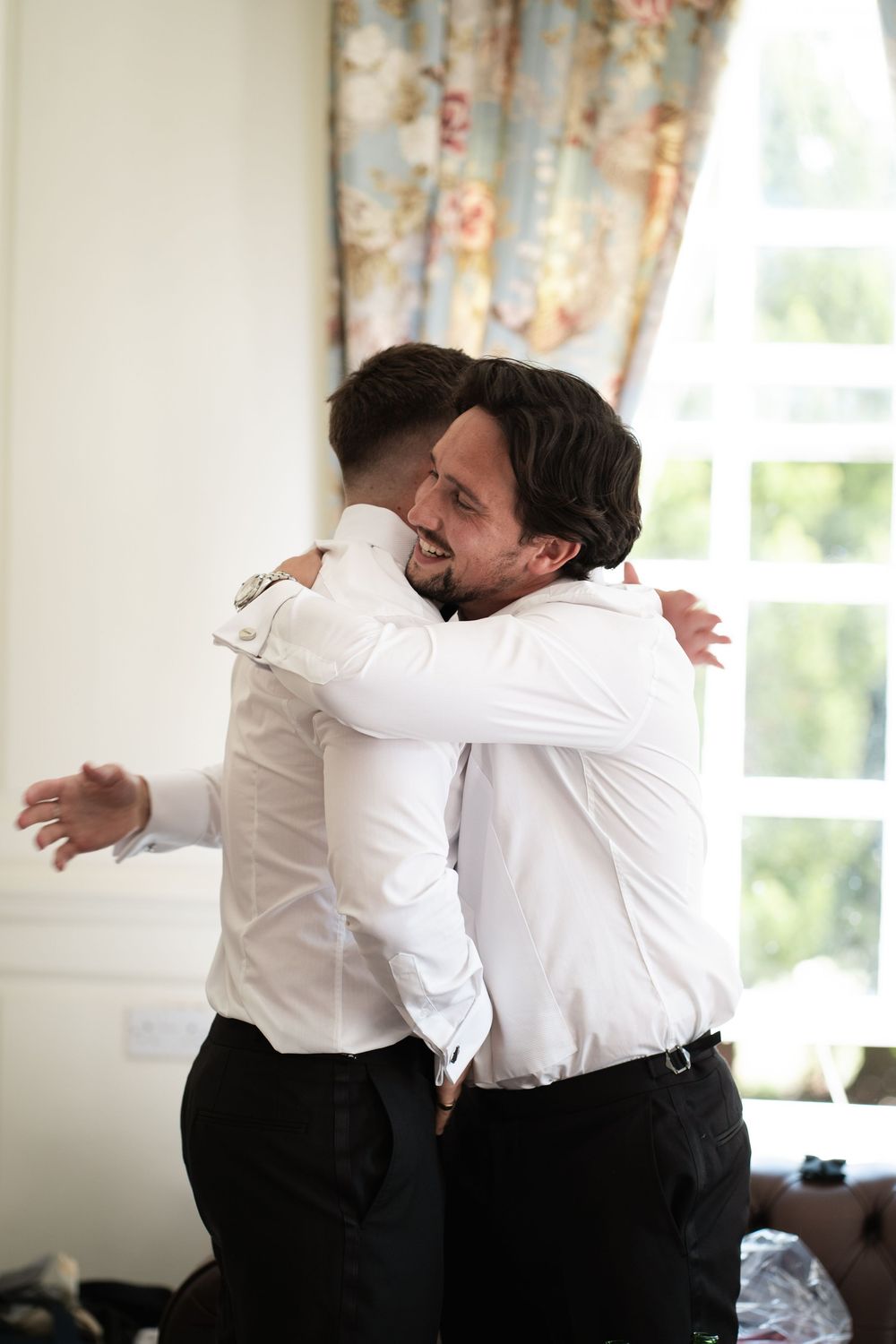
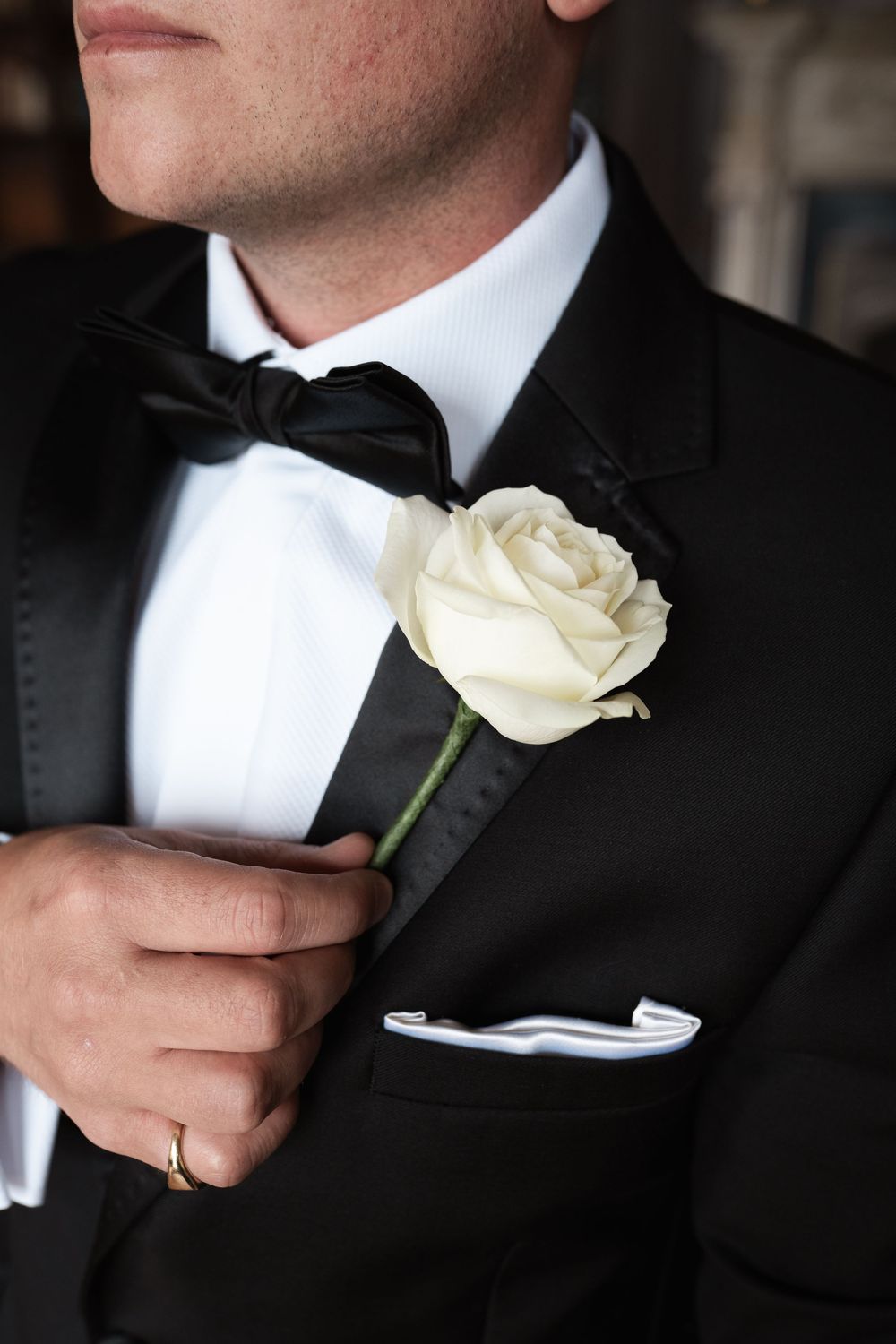
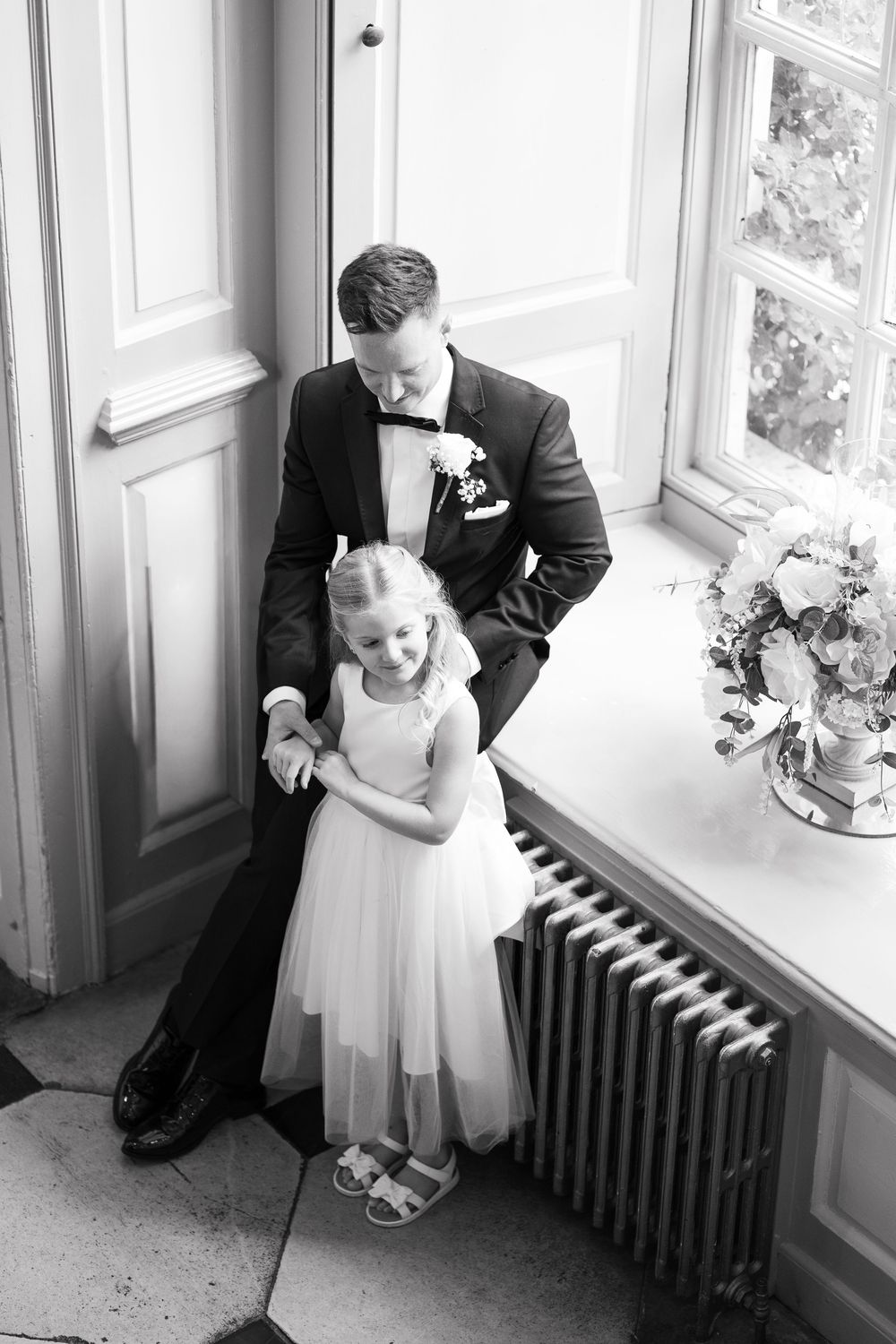
While the bridal suite buzzed with energy, Sam and his groomsmen got ready in a bright, airy room filled with laughter and calm energy. They helped each other with ties, jackets and buttonholes, sharing jokes along the way.
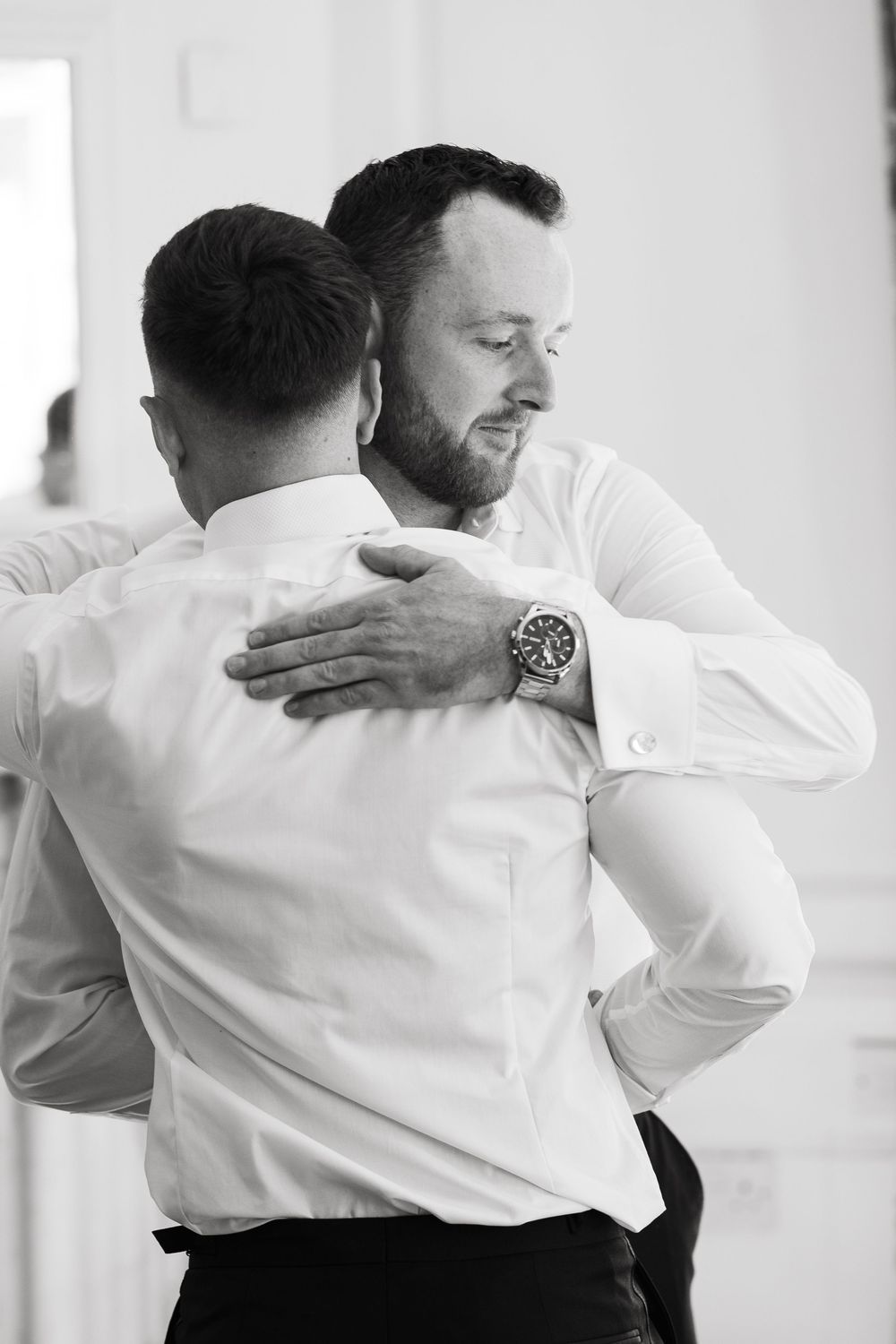
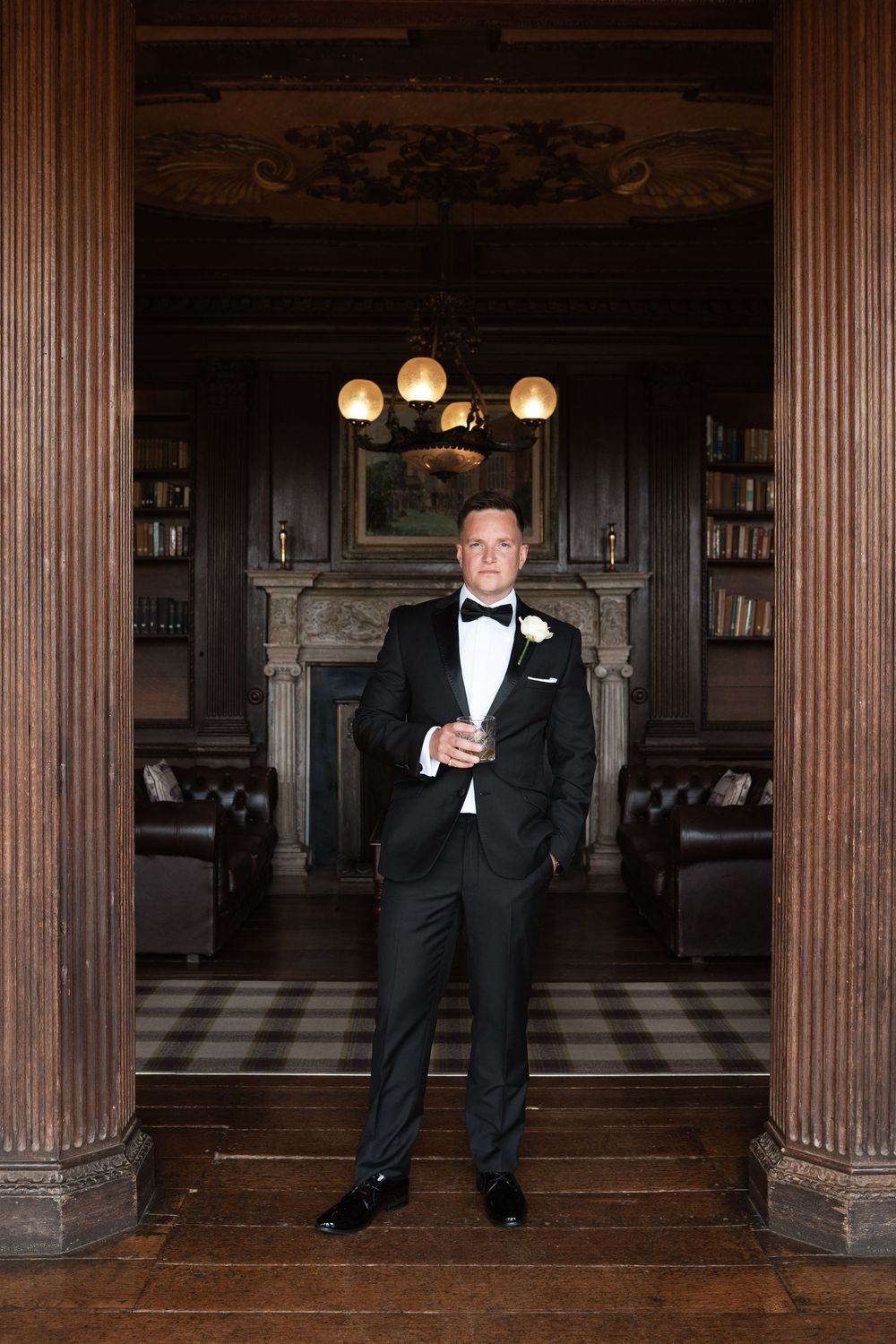
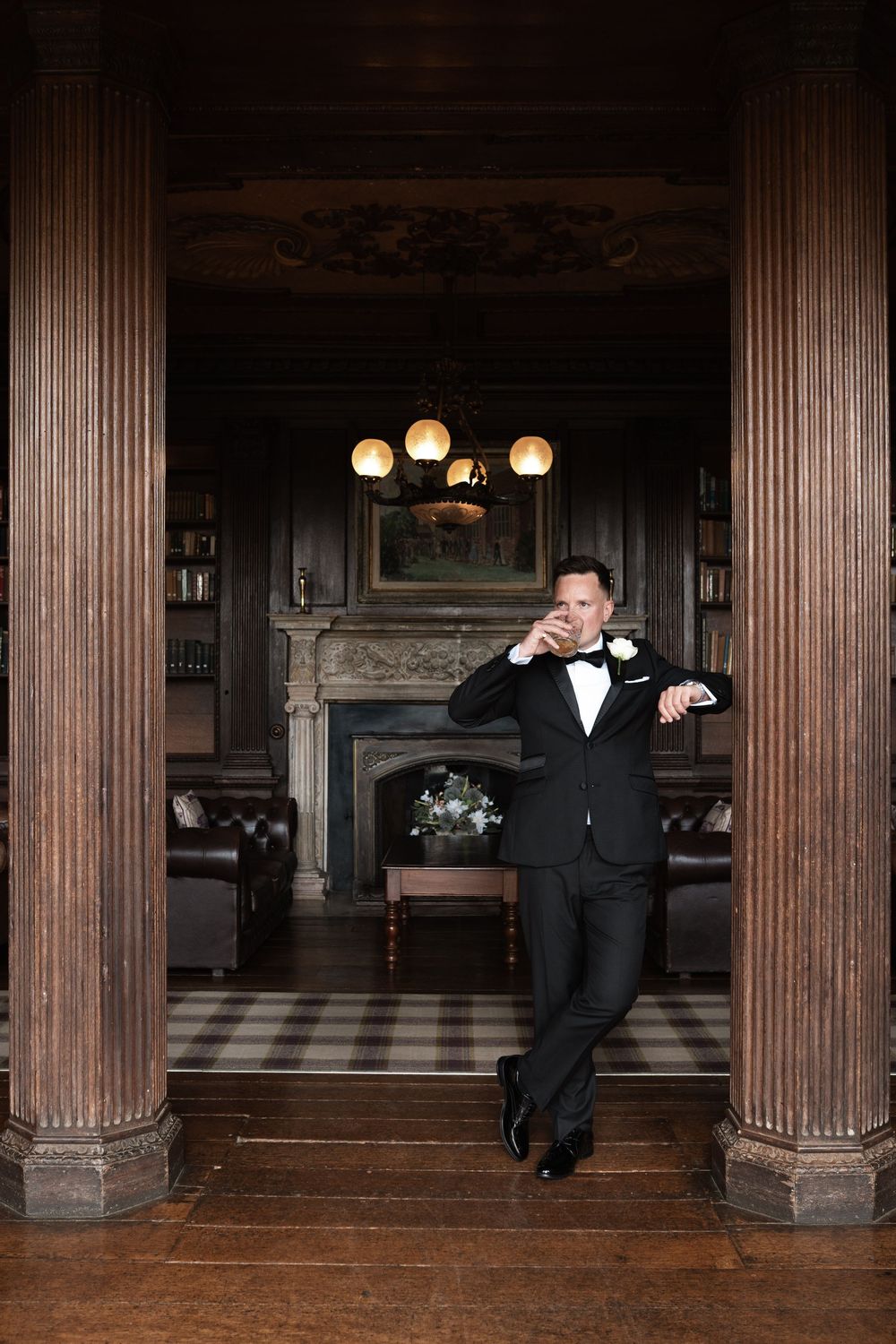
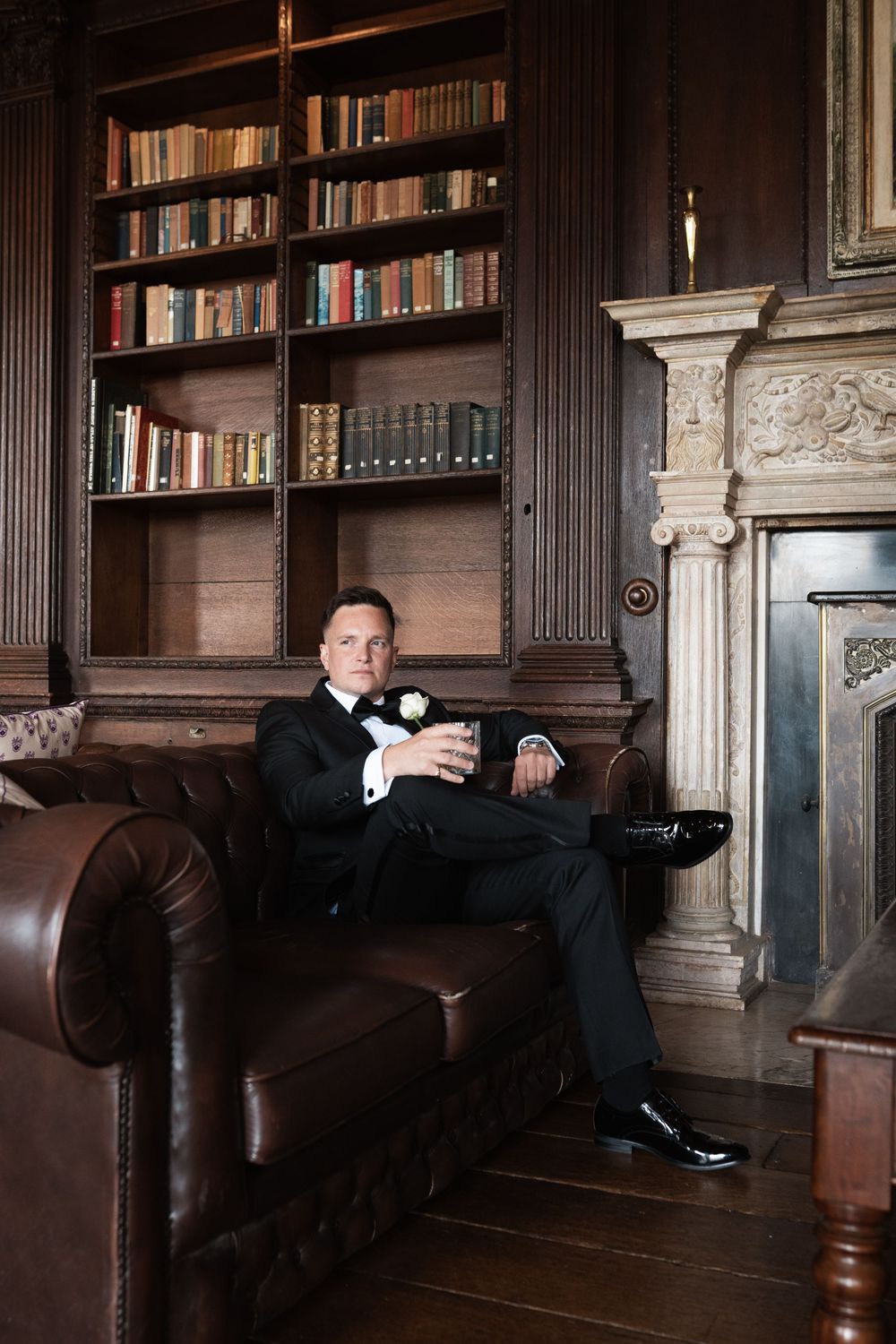
Sam had prepared gifts for his groomsmen, which turned what could have been a simple moment into something heartfelt, hugs, laughter and gratitude all around. After that, we took ten minutes for groom portraits in the library, which was his personal request.
Here’s a truth: many wedding photographers skip over the groom prep or treat it as an afterthought, but it’s just as meaningful. The groom deserves the same attention as the bride, even if he doesn’t ask for it. My approach with groom photography is always fast and intentional. I already know the poses I want before I even start. That keeps the session efficient, avoids “posing for the sake of posing” and delivers strong, confident portraits that respect the groom’s time.
The first touch: emotional pause before the ceremony
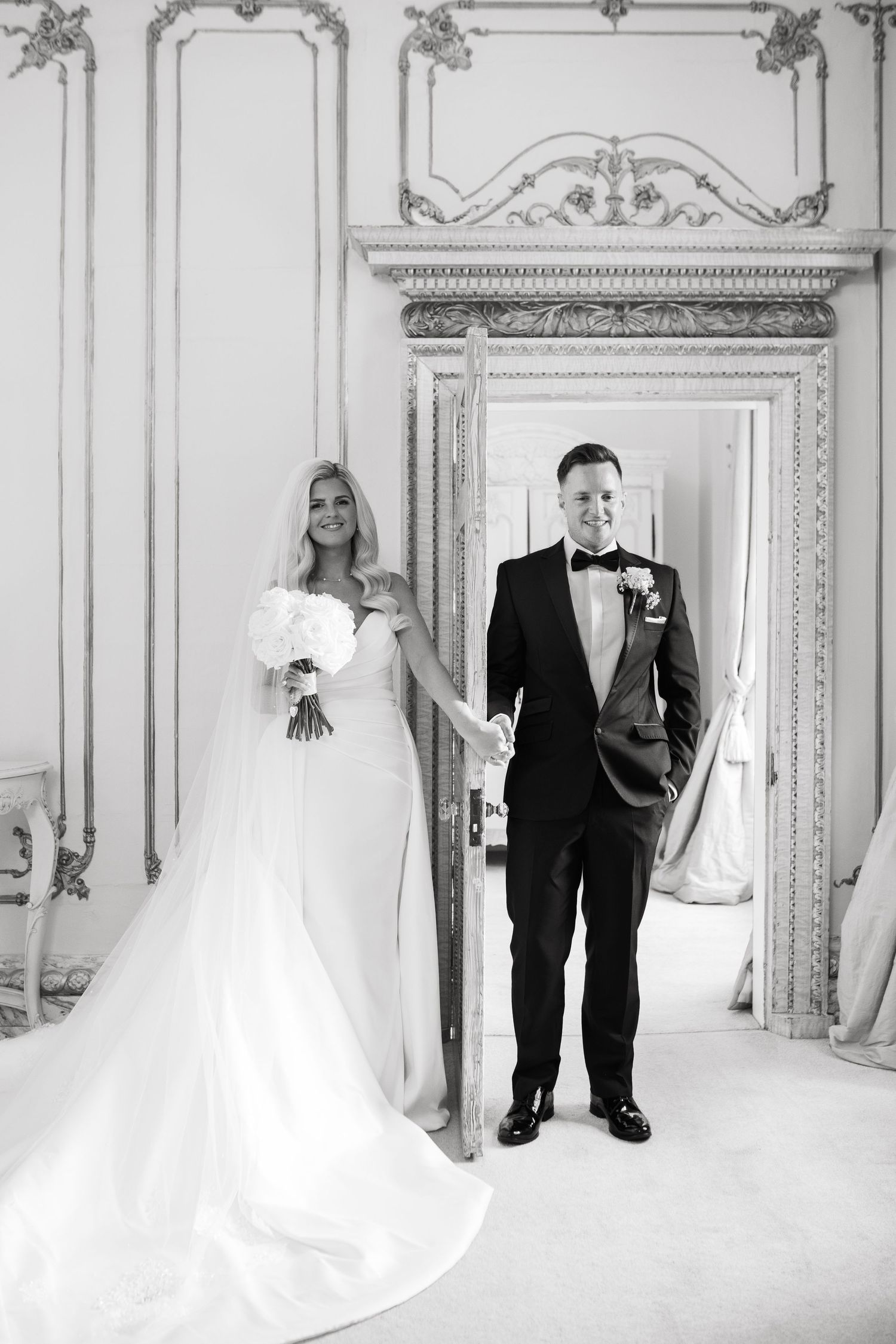
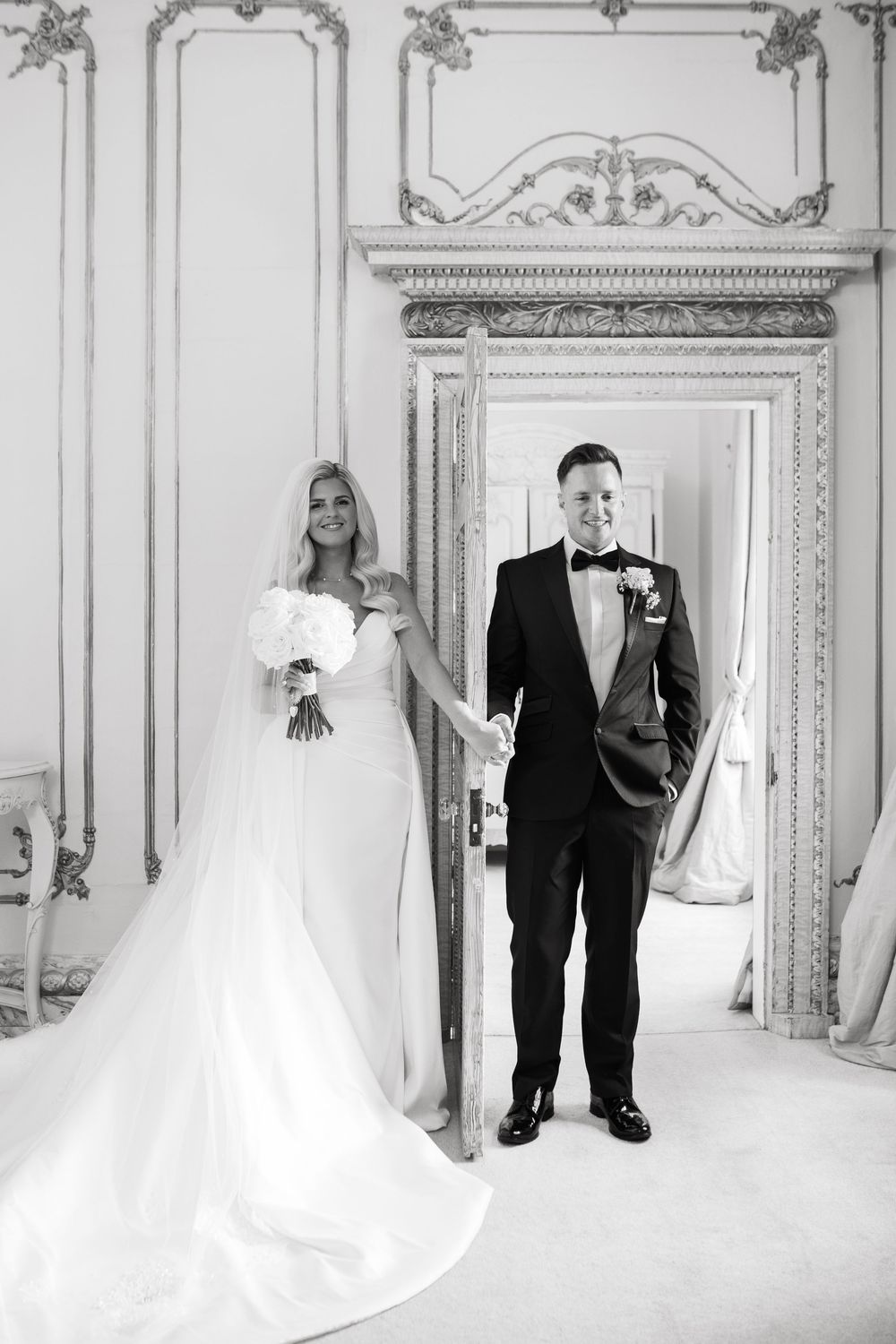
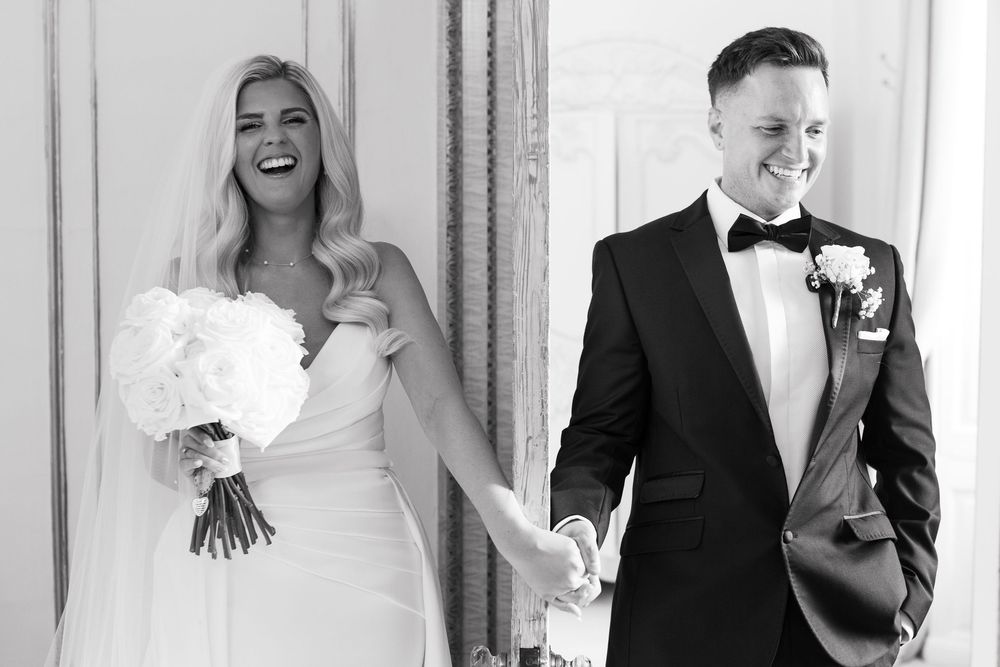
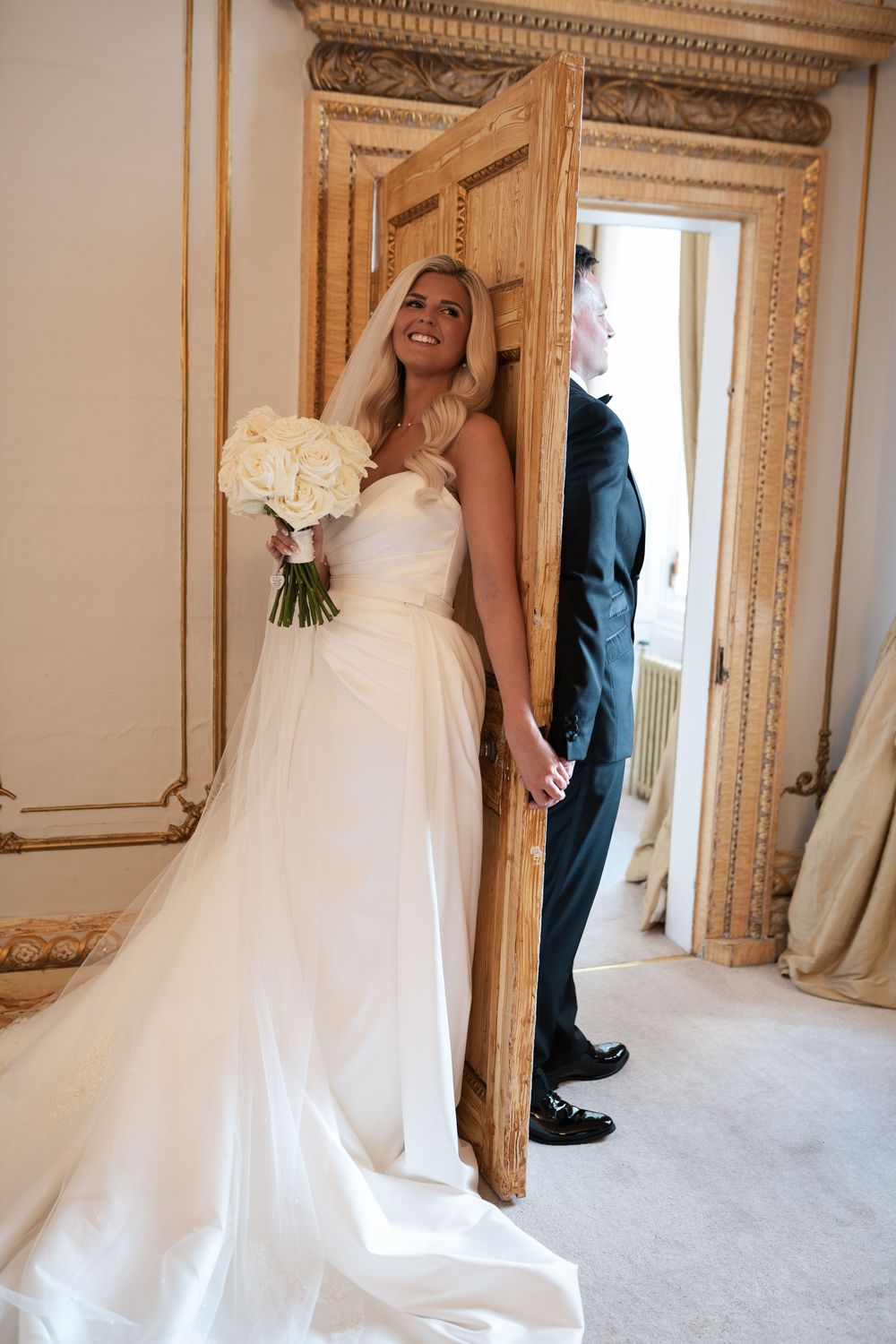
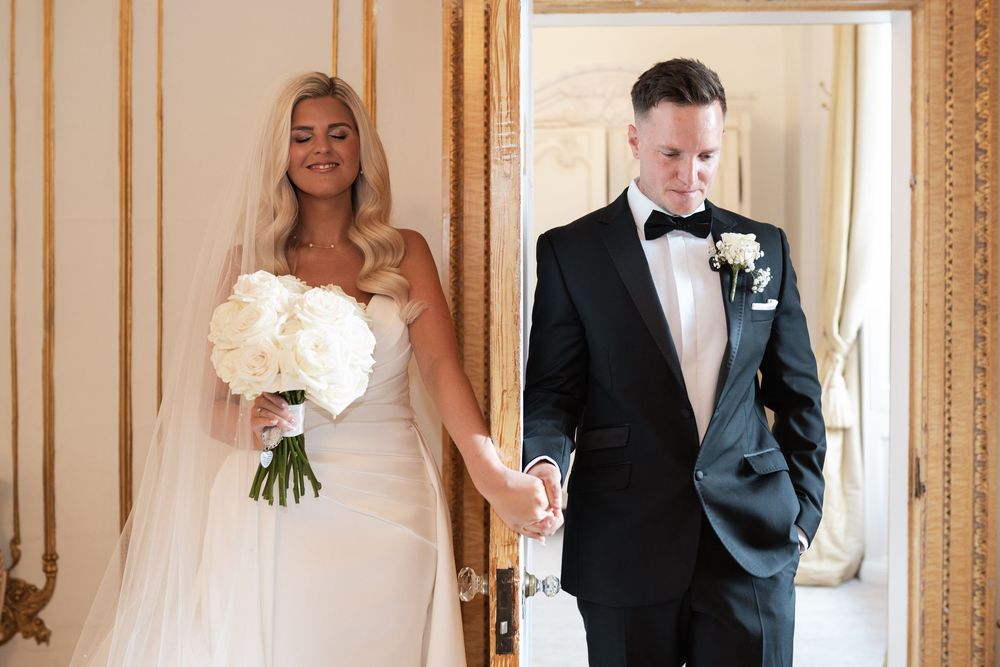
Instead of a first look, Steph and Sam chose to share a first touch. Standing on opposite sides of a doorway, they held hands, exchanged a few words and took a deep breath just before walking down the aisle. It’s a simple idea but incredibly powerful.
That moment grounded them. It gave them time to connect before everything started moving again and it gave them a small sense of calm that carried through the rest of the day.
Tip: Make sure you have everyone who doesn’t need to be in the room step out, so you have as much privacy as possible. In the end, this is a private and intimate moment.
Why wedding timeline matters more than you think
Couples often underestimate how long small moments take, walking between rooms, gathering everyone for group photographs, or even simply stopping to take it all in. On paper, everything fits neatly. In real life, every part of the day expands.
What happened with Steph and Sam is something I see frequently. The makeup artist didn’t realise that portrait time was already accounted for, so when prep ran over, the portraits disappeared. It’s a small miscommunication that makes a big difference.
To avoid that, make sure everyone, your hair and makeup team, planner, and your wedding party, knows when you need to be ready for photographs. Communication is everything. Add 10–15 minute buffers wherever possible. You’ll never regret having extra time, but you’ll definitely feel the pressure when it’s gone.
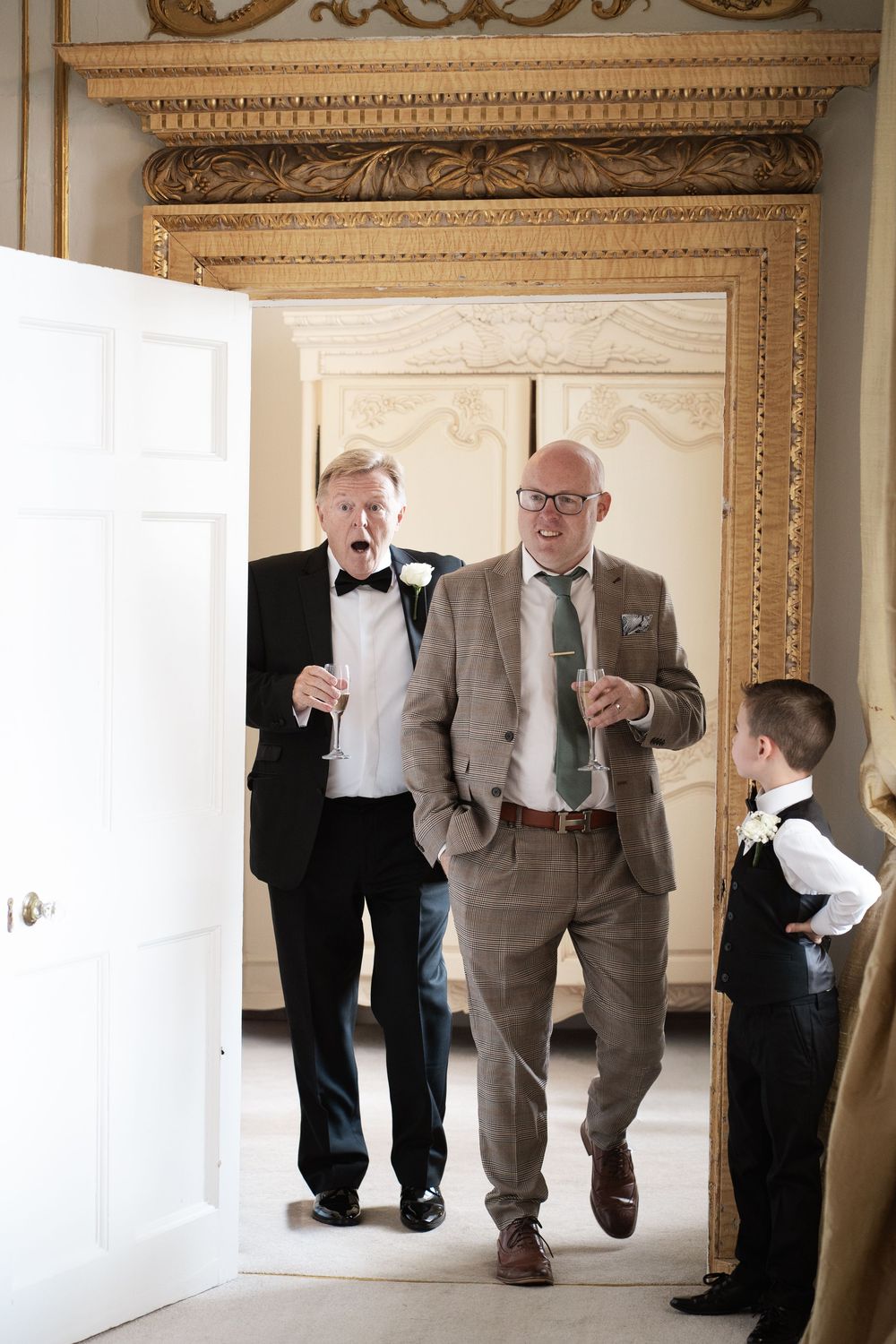
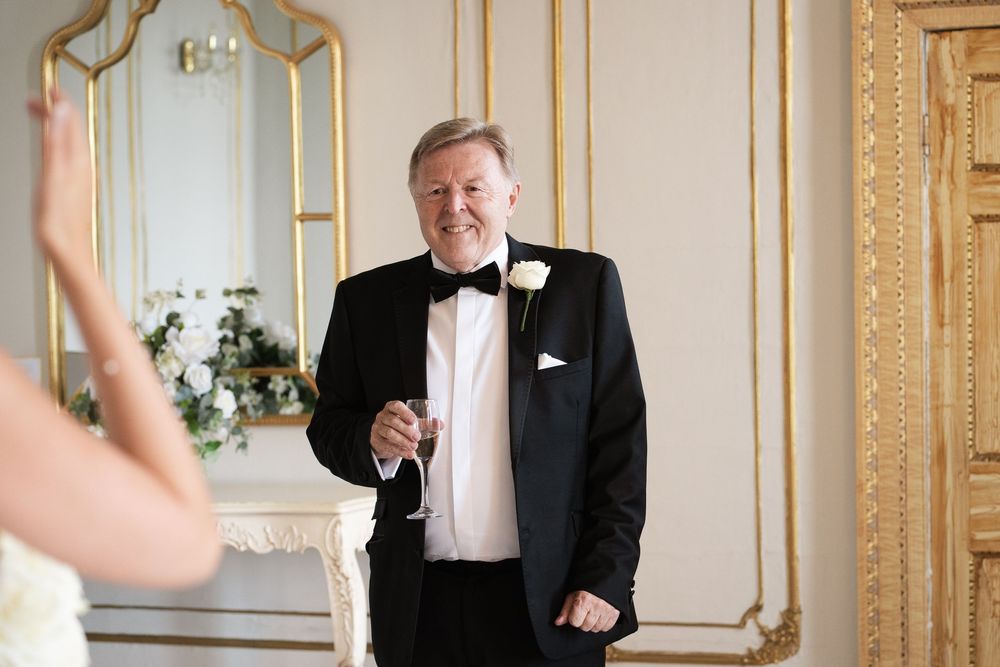
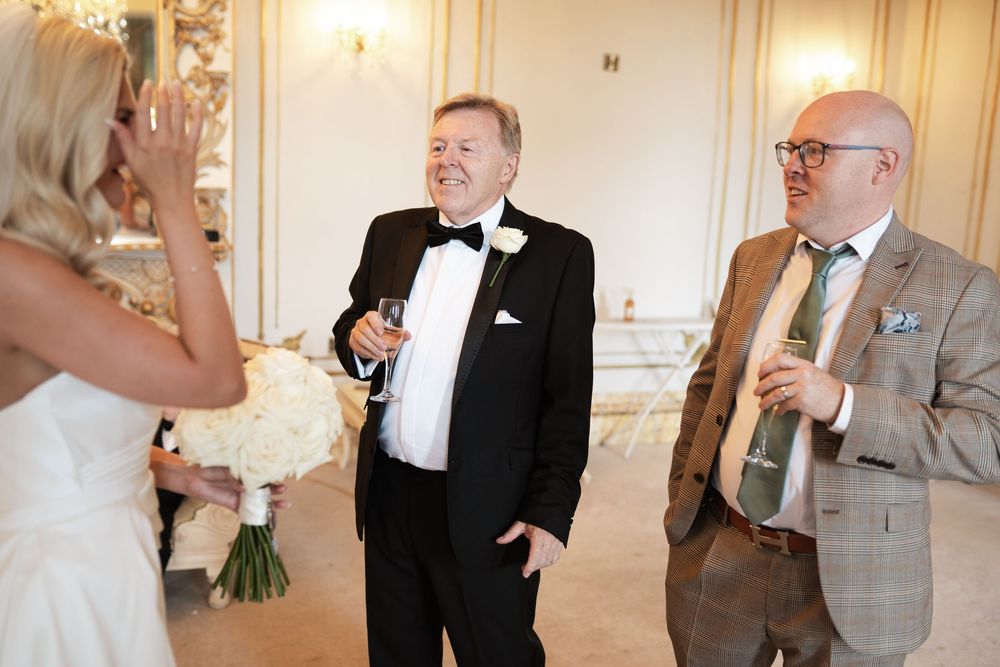
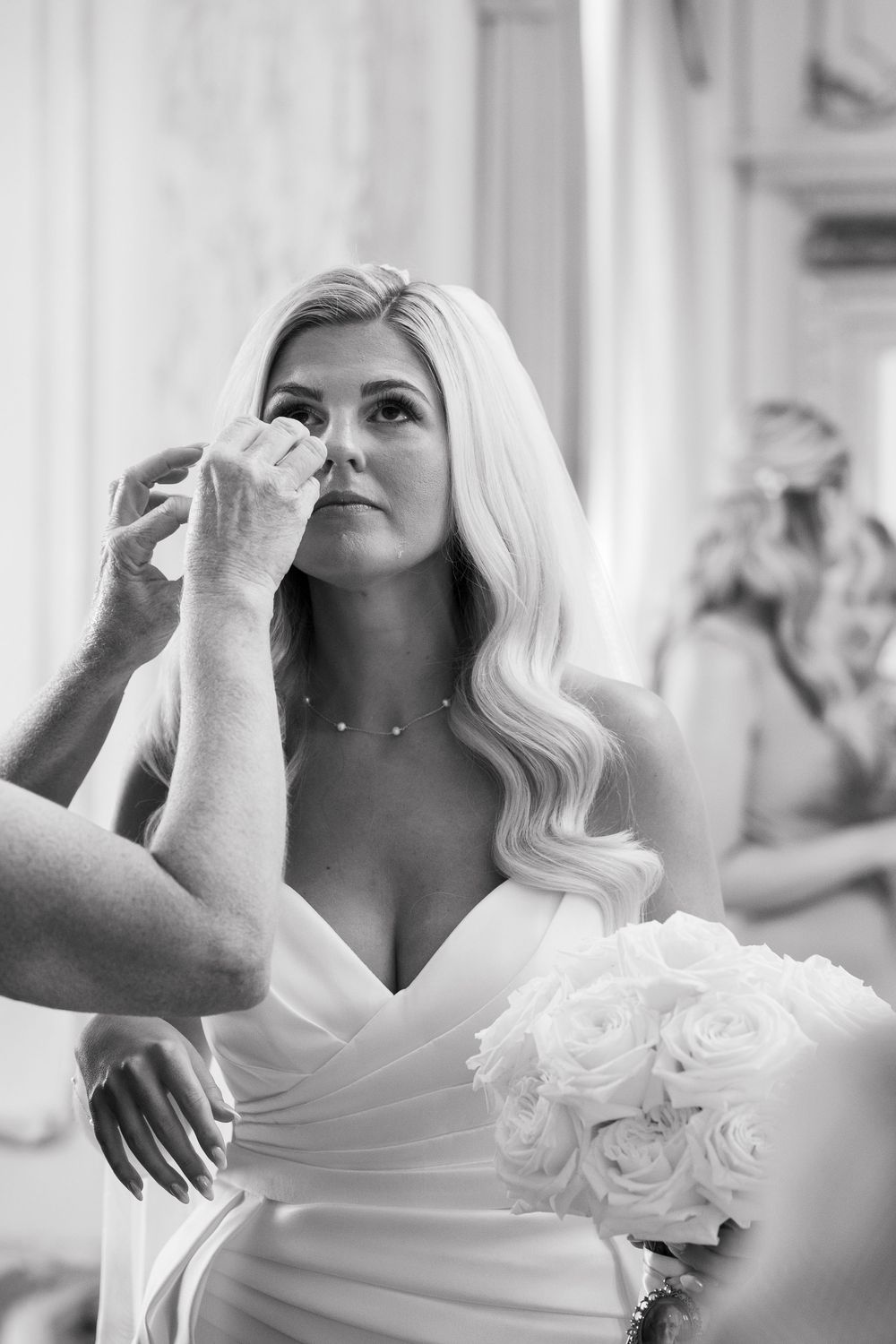
And if things do fall behind, prioritise what matters most to you. With Steph and Sam we made sure the key moments still happened: the first look with her dad and brother, and that first touch with Sam before the ceremony. Those emotional moments were worth protecting.
Comfort in front of the camera doesn’t happen by accident
Steph and Sam did something that made a huge difference, they booked a pre wedding session. That gave them a chance to practice, learn small posing cues and just feel what being photographed actually looks like.
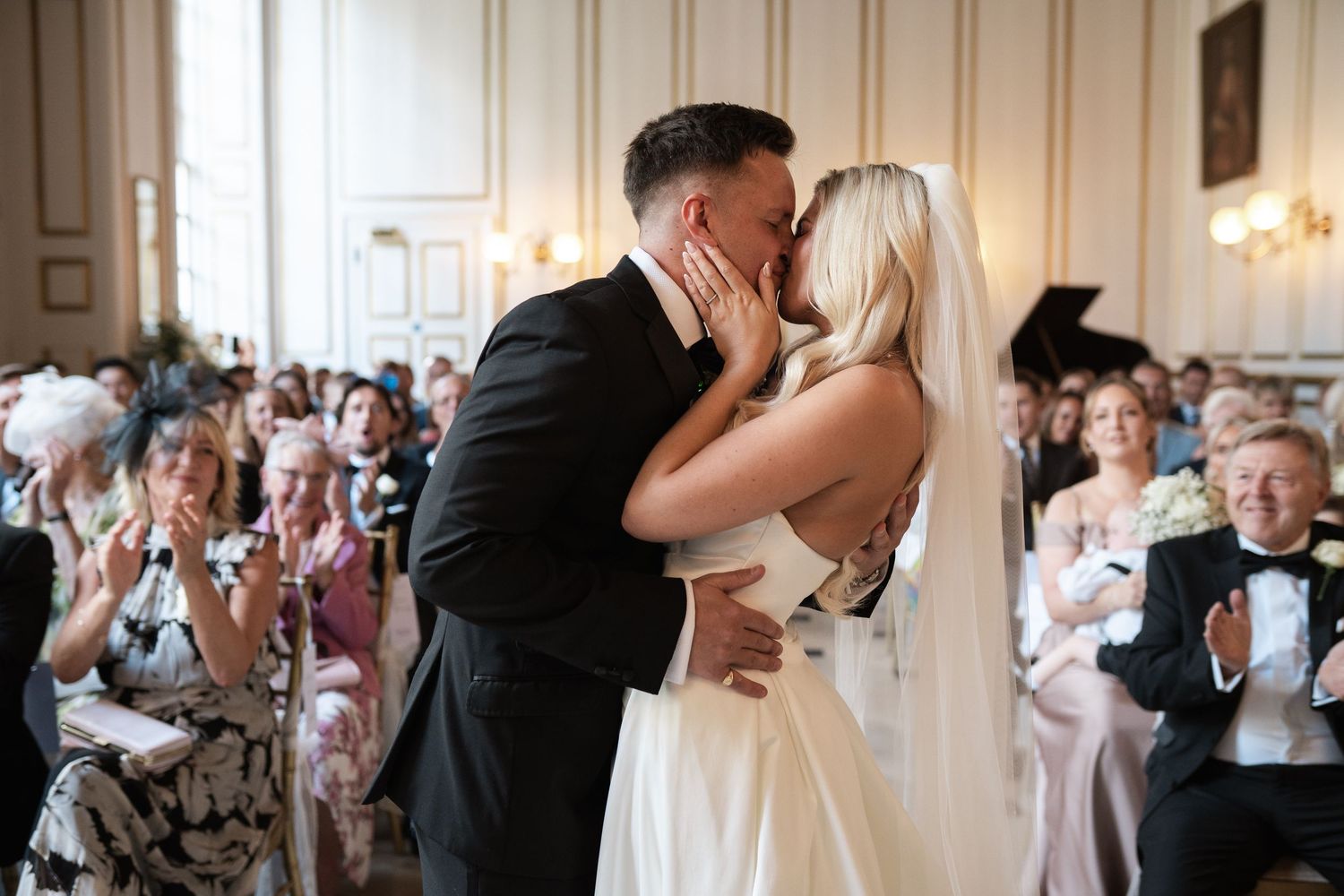
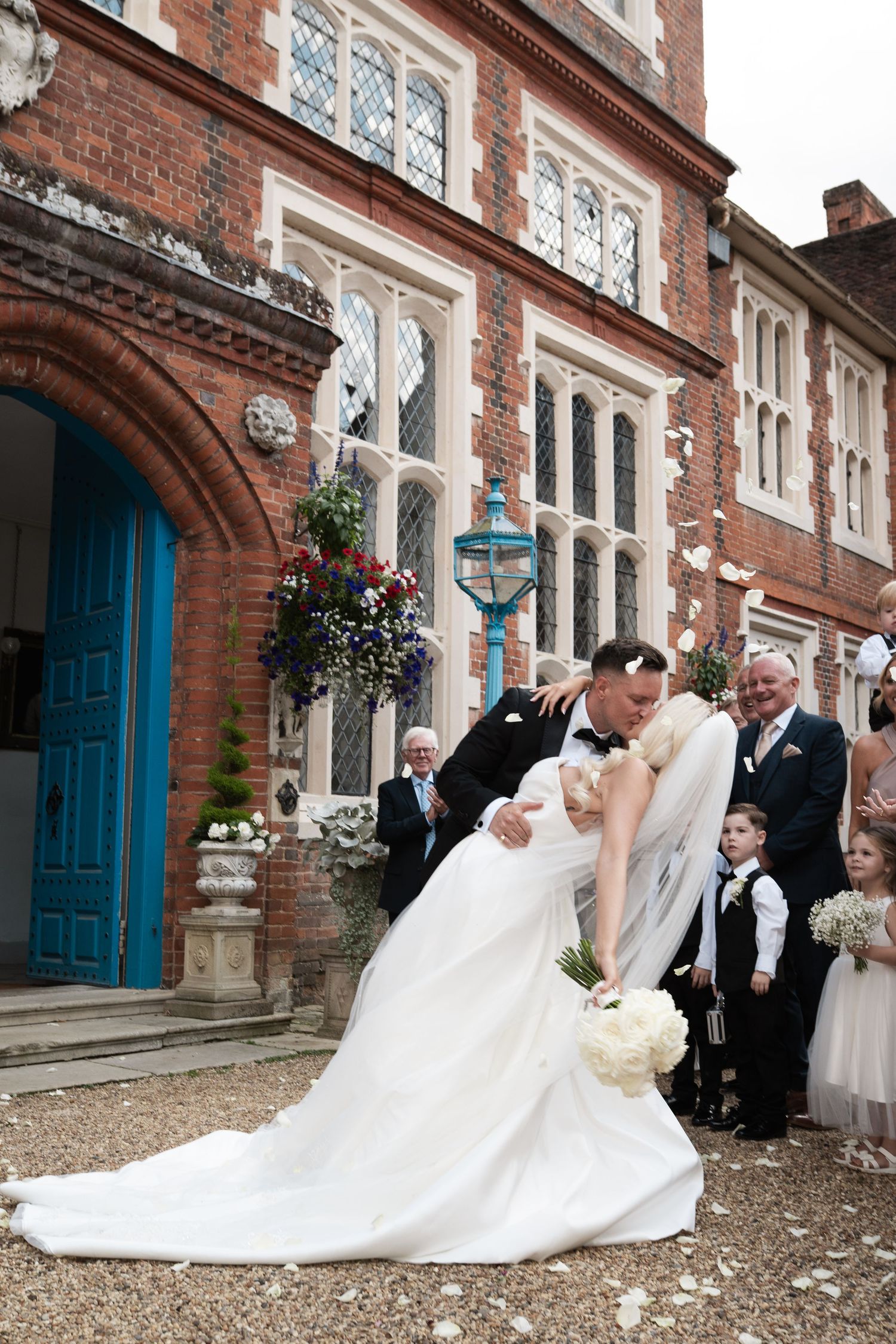
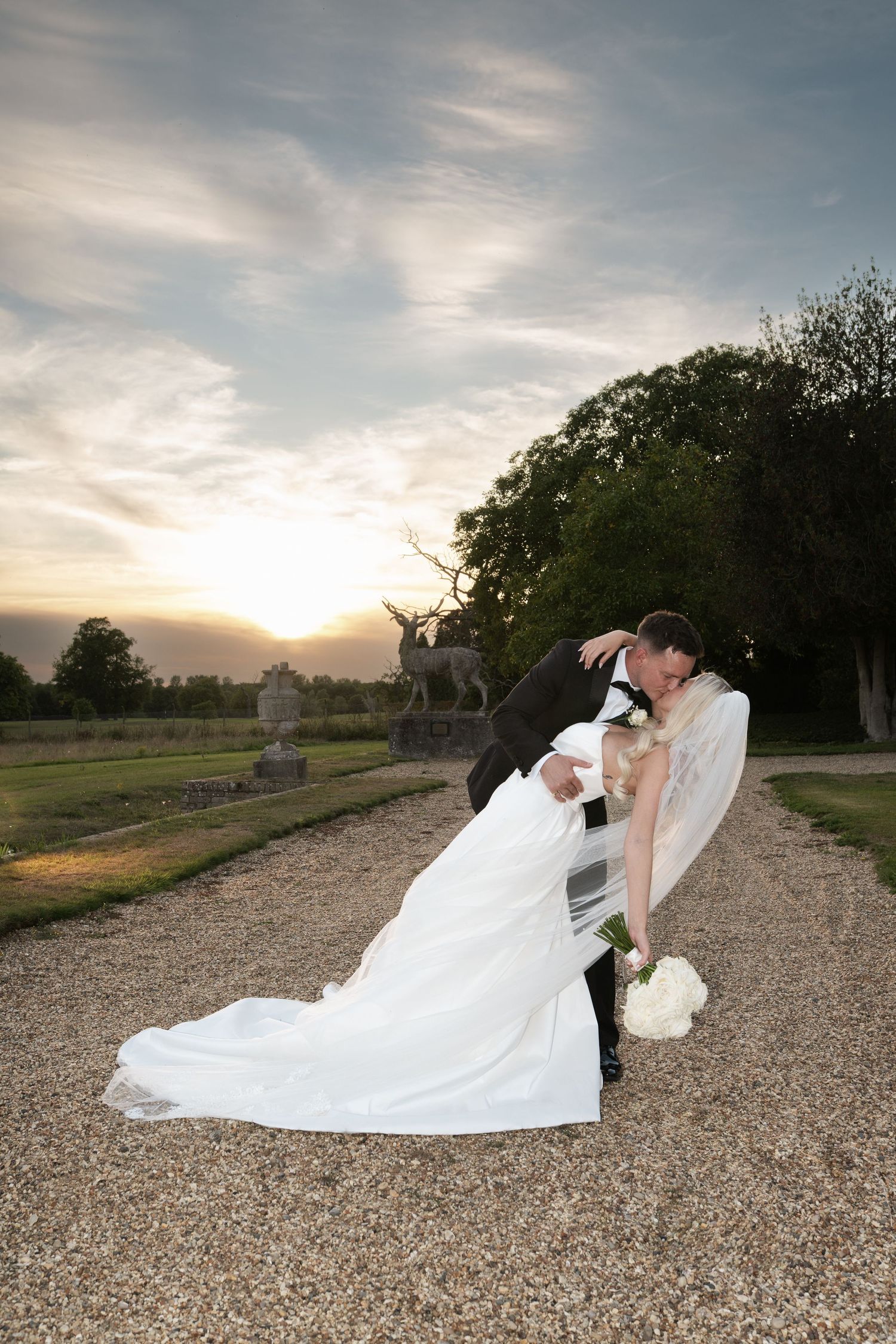
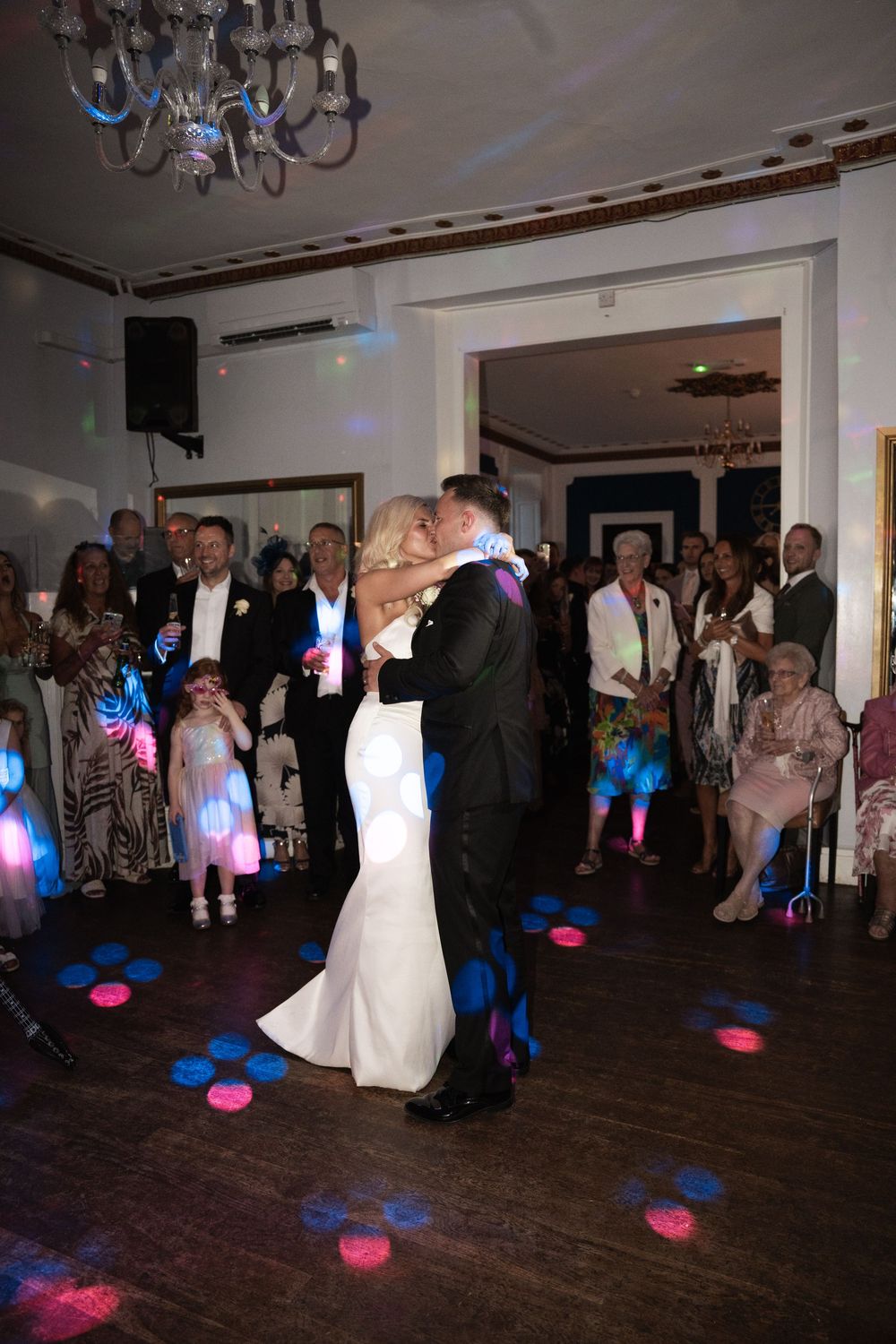
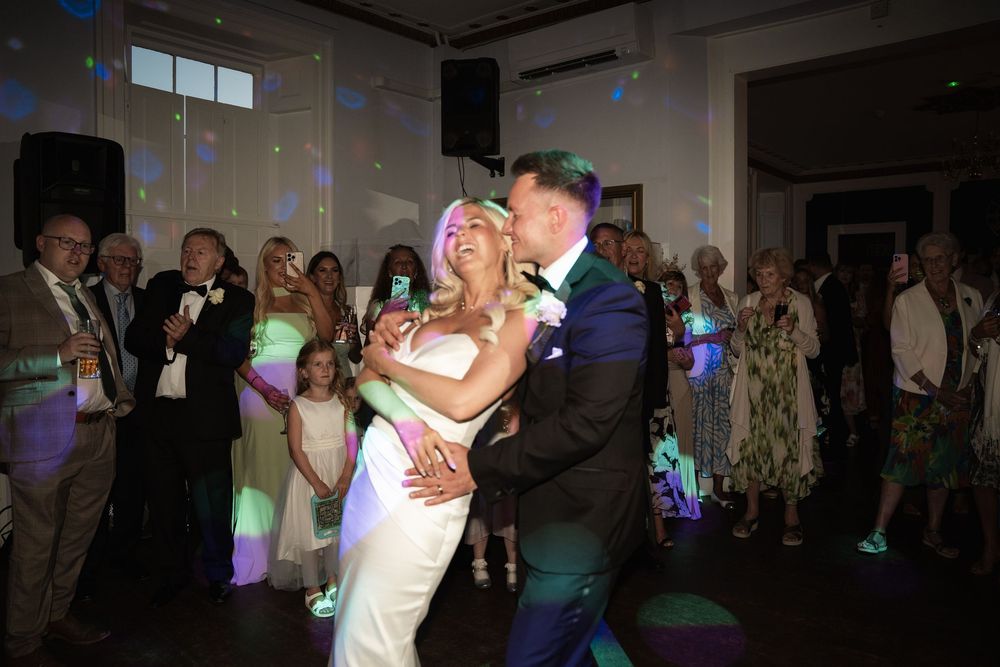
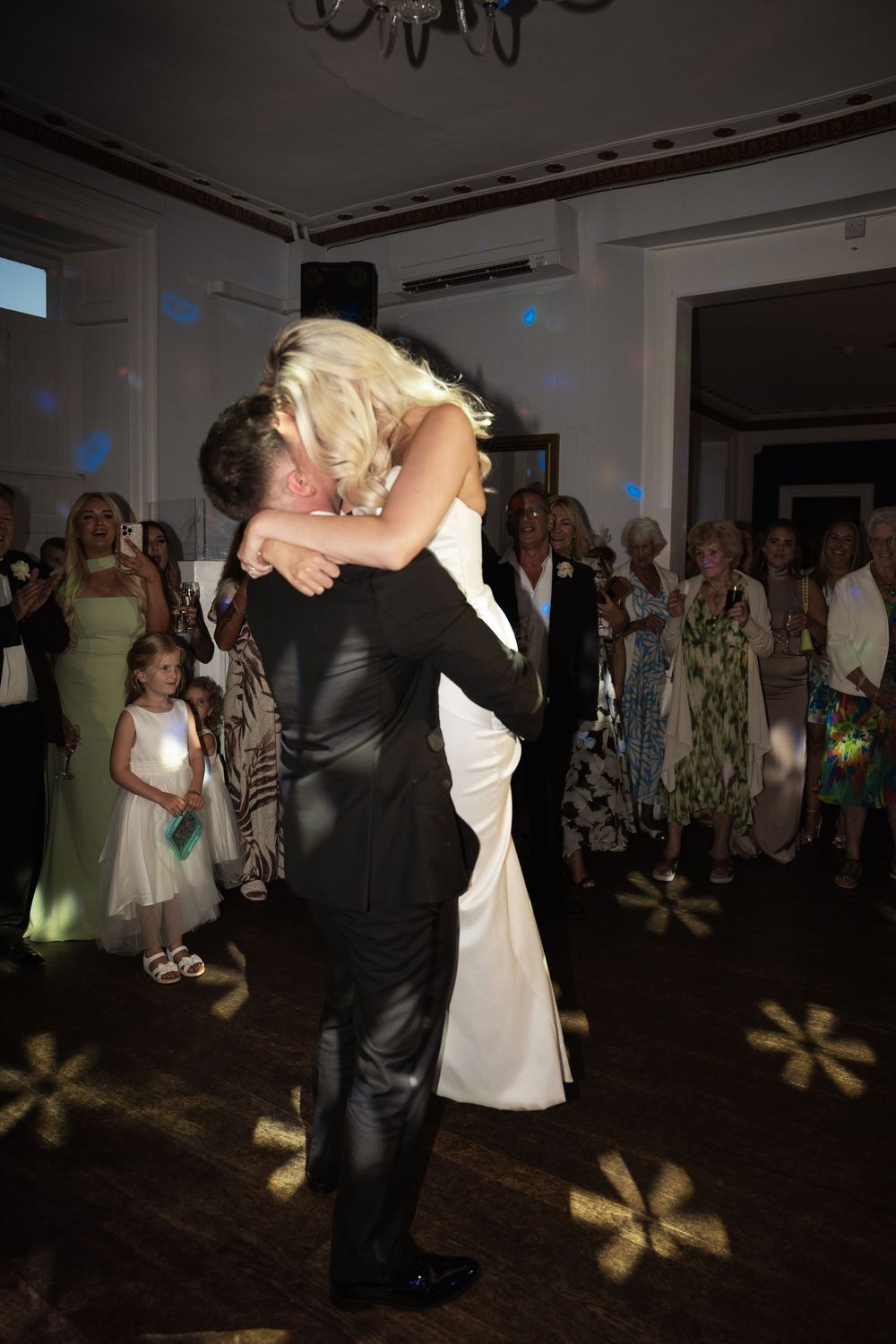
They even spent time practicing one of their favourite poses, the kiss and dip, in the weeks leading up to the wedding. It showed. Every time they did it looked natural and effortless because they already trusted the process.
That’s the power of preparation. By wedding day they already knew how it felt to be in front of the camera and how their photographer guides them. There was no stiffness, no uncertainty. Just presence.
Bridesmaids, groomsmen and why flexibility wins
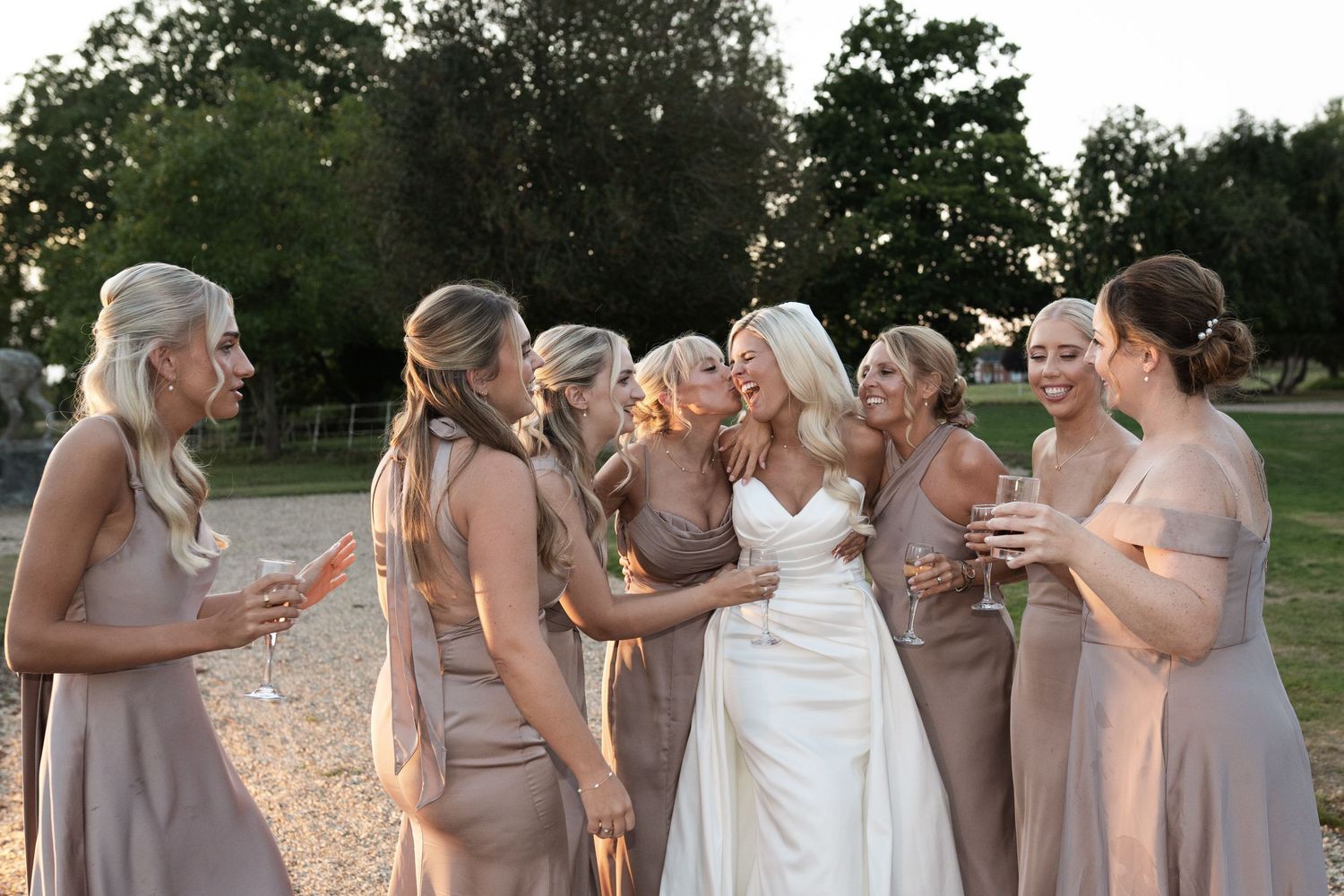
Portraits with the wedding party didn’t go exactly according to the original timeline either. With time running out in the morning, the bridesmaid portraits had to move to the evening, just before the first dance.
Usually I spend more time with the bridesmaids, but this time it was the opposite. Both groups welcomed the session and trusted me to get it done quickly. That flexibility made everything smoother.
Here’s a good reminder: not every part of your wedding day will run on schedule, and that’s okay. The goal isn’t perfection. It’s flow. As long as you trust your photographer, everything will fall into place.
Evening lessons: why lighting can make or break your photos
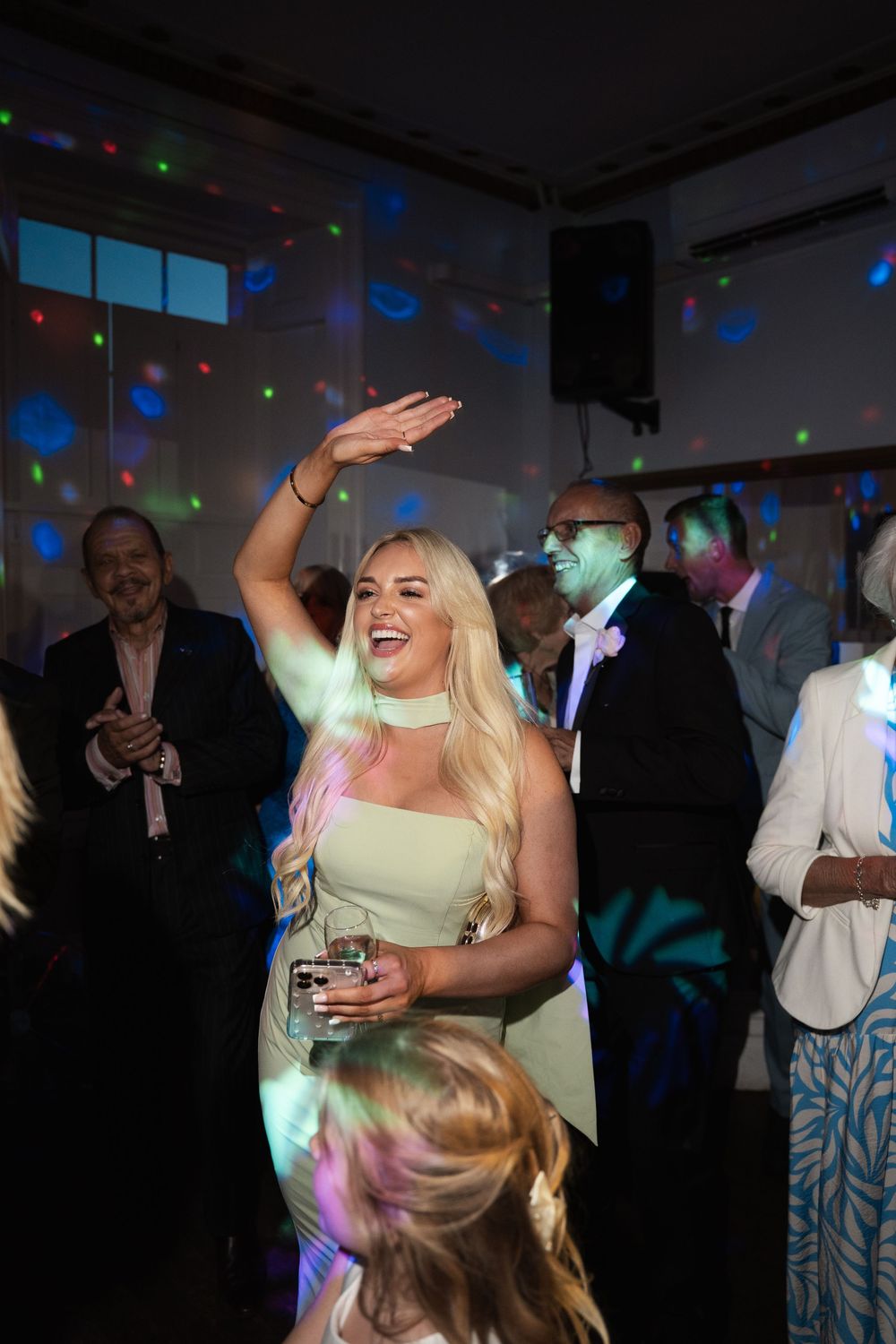
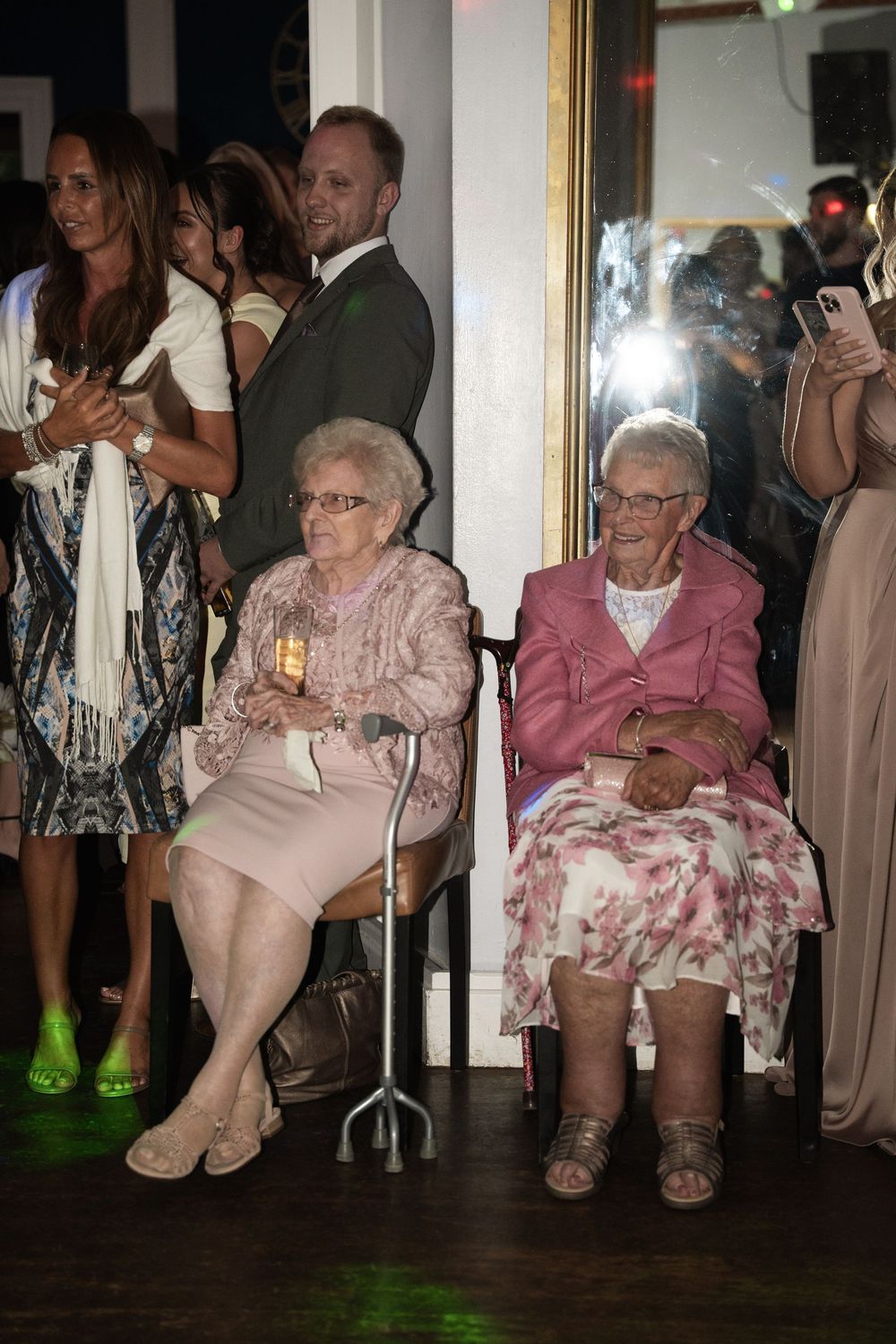
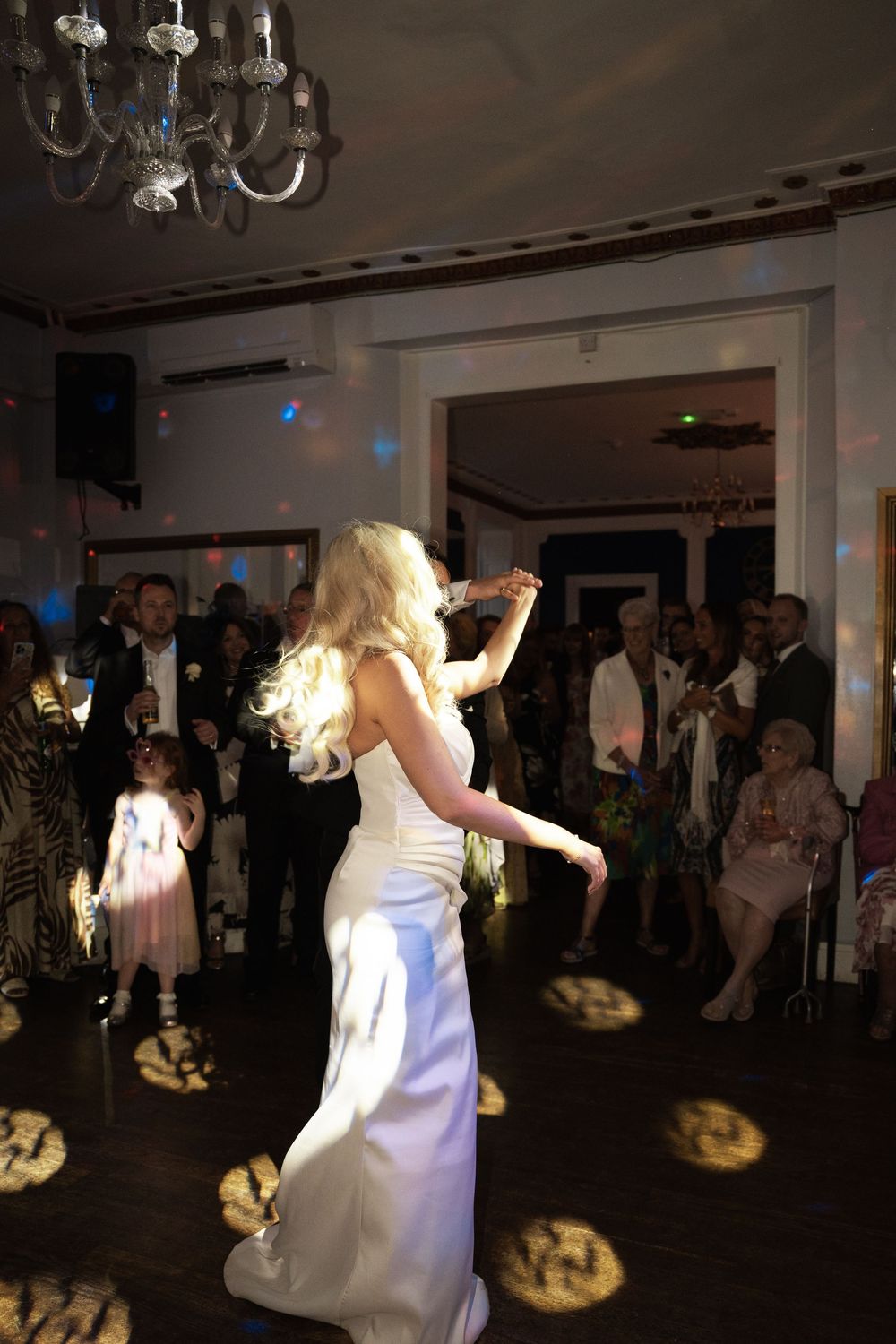
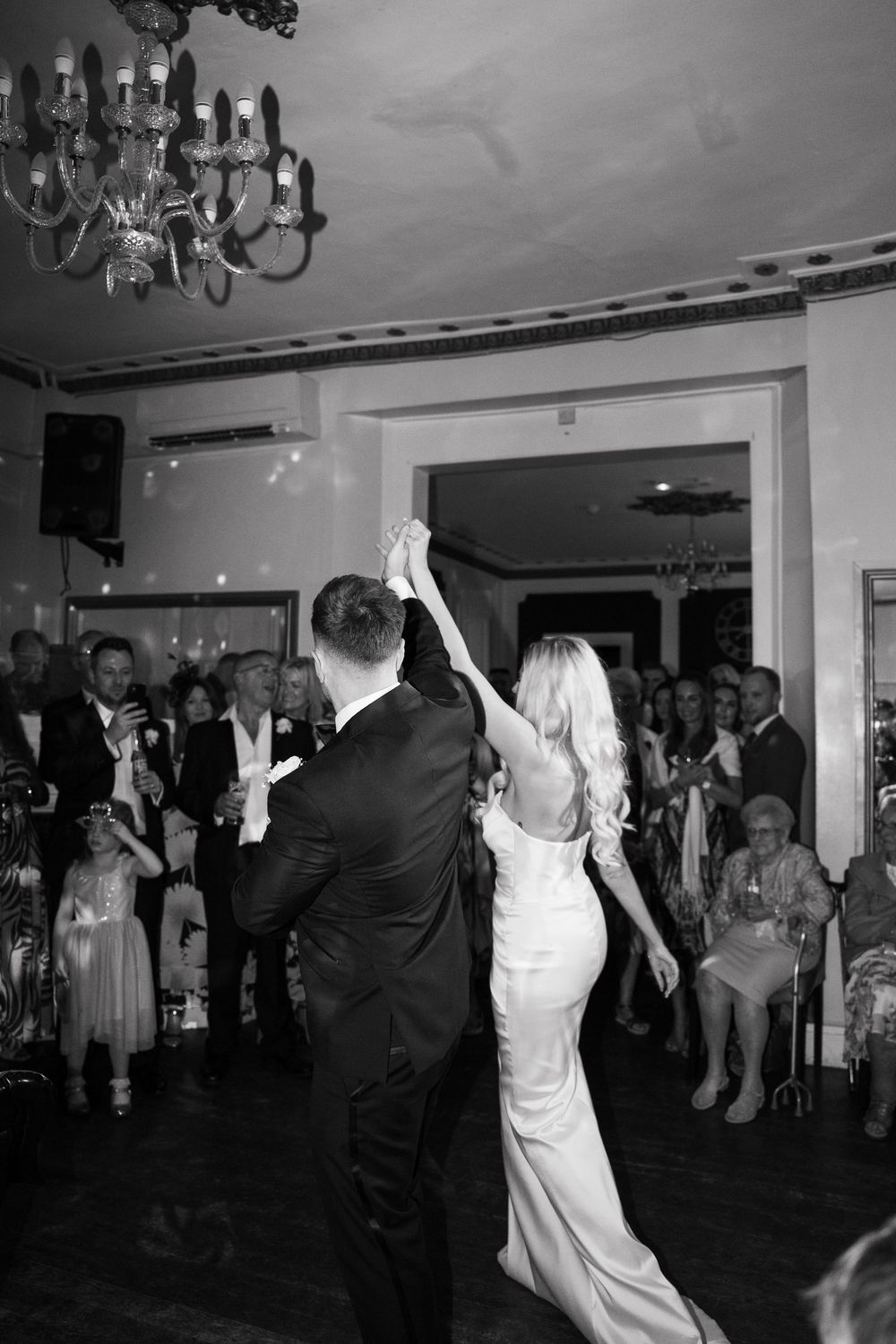
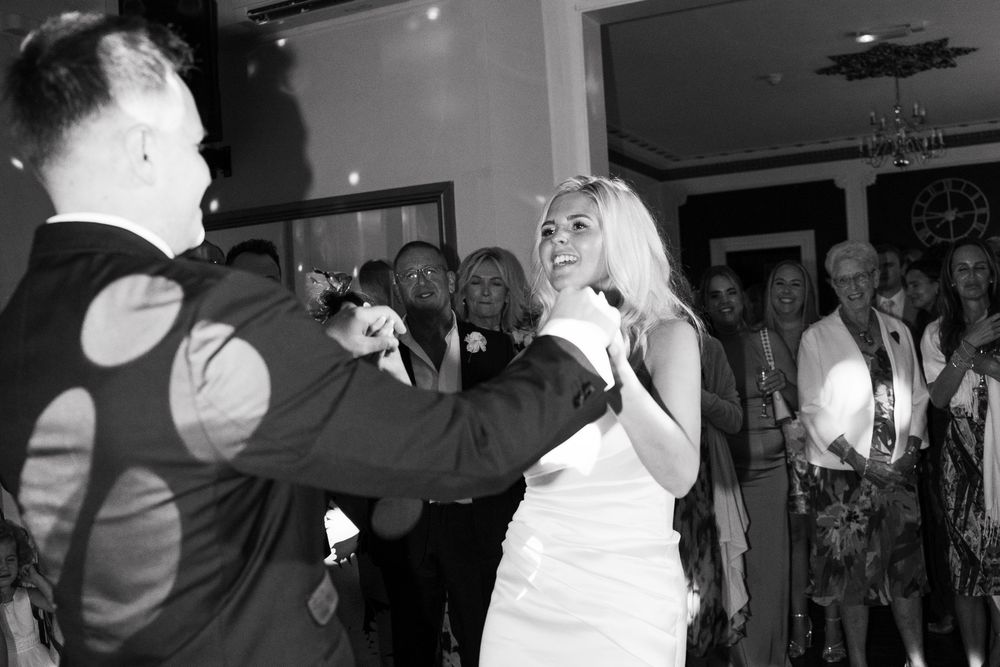
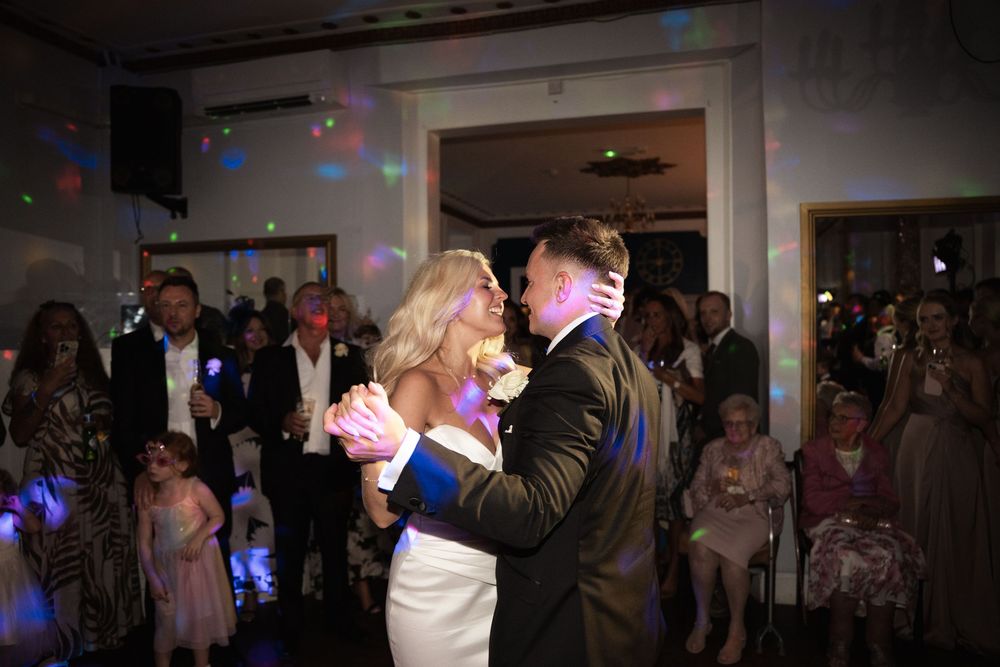
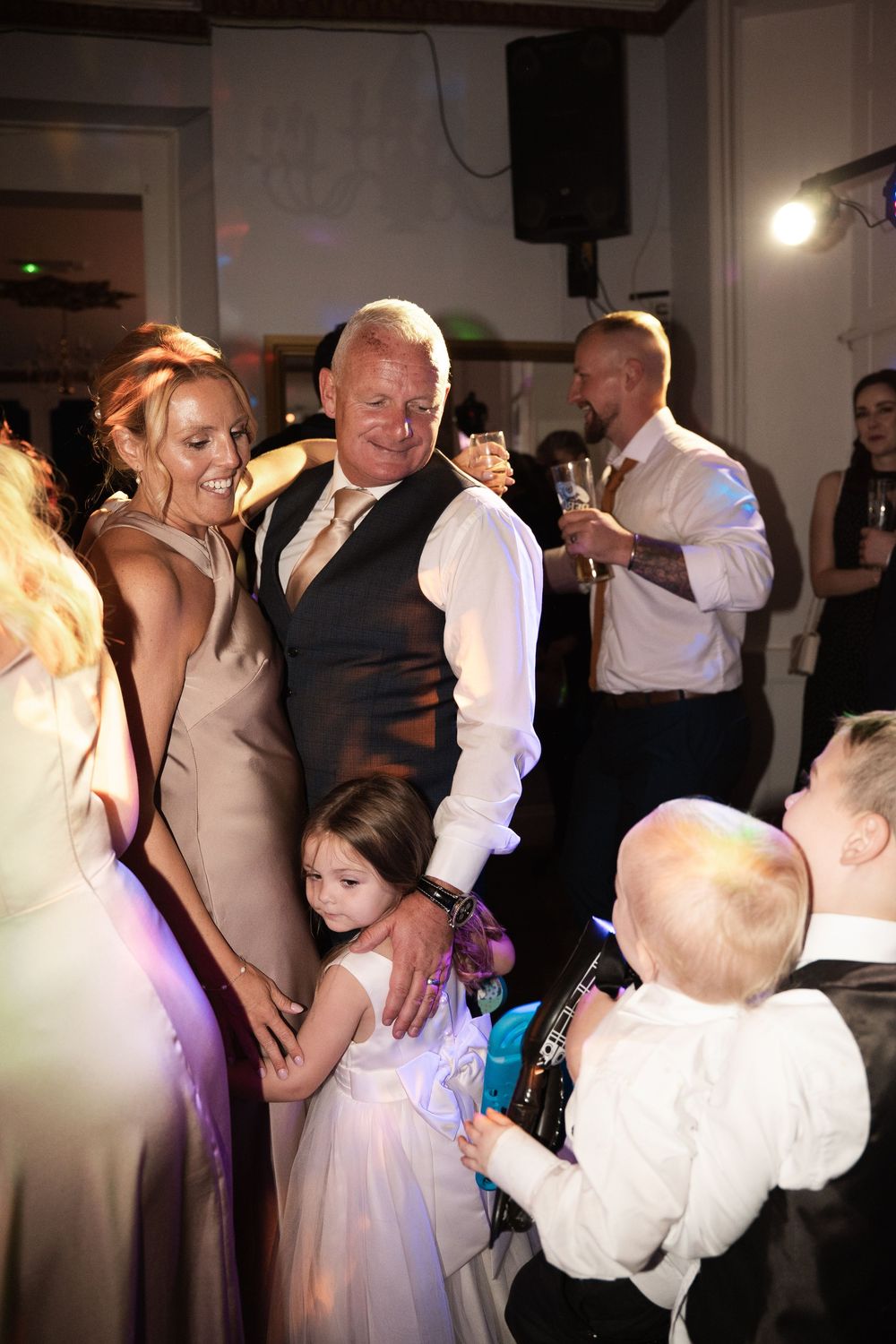
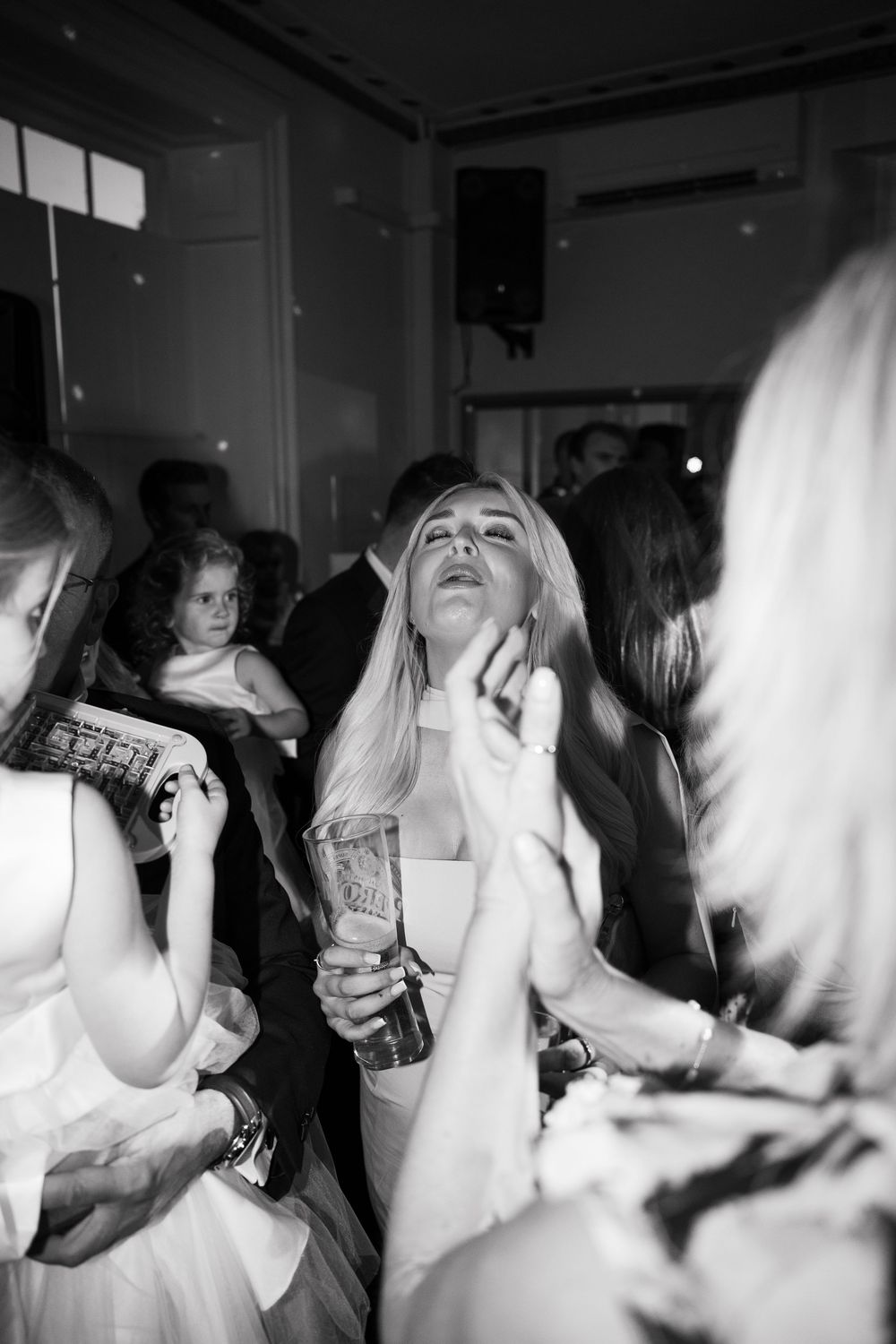
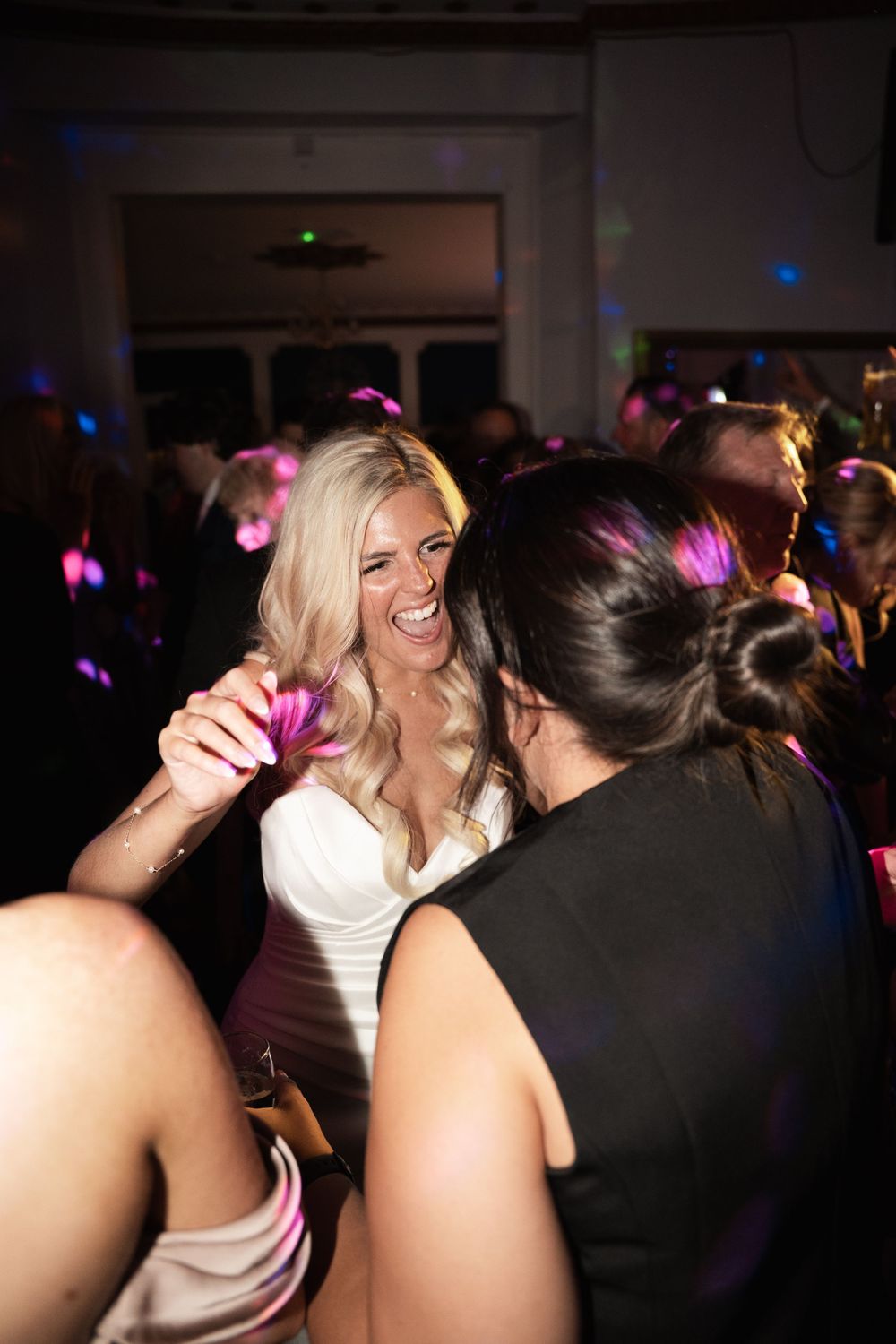
When the evening guests started arriving and the first dance was about to begin, Gosfield Hall transformed. The energy shifted from elegance to celebration and the dance floor came alive.
This part of the day is always my favourite, but it’s also one that couples often overlook when planning. Lighting can completely change how your reception looks in photographs.
Many venues include lighting setups, but they’re often random, coloured beams, shapes and flashing patterns that can make even a beautiful space look chaotic. Steph and Sam’s dance floor was amazing energy wise, but the lights were challenging: too many colours and shapes bouncing everywhere.
If you’re planning your wedding here’s what to know:
- Keep the reception lighting simple. Coloured light always looks better than flashing patterns.
- Avoid lasers, they might look fun in person but can ruin photographs and even damage cameras.
- A disco ball and clean directional lights work beautifully and create that perfect editorial wedding photography look that never dates.
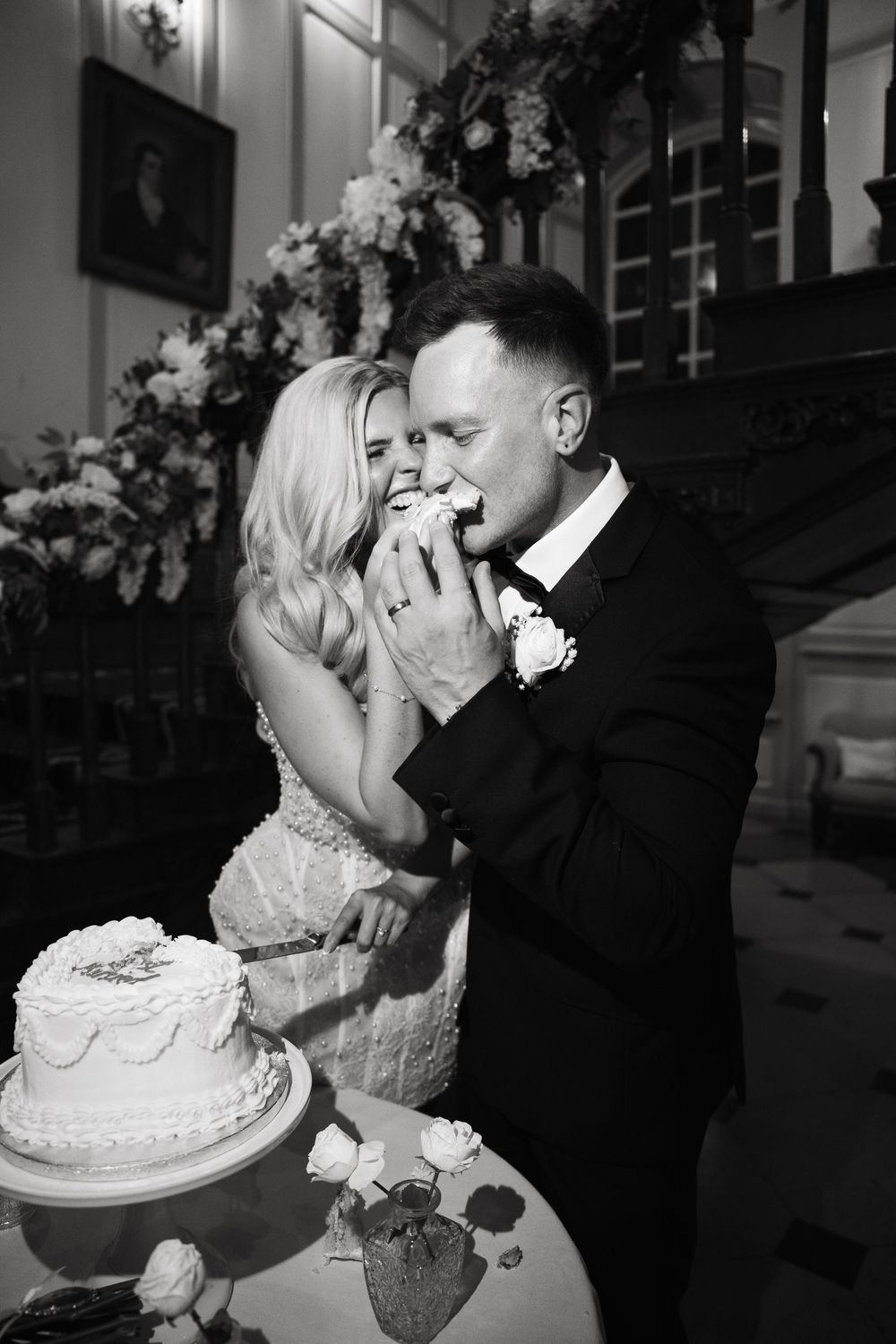
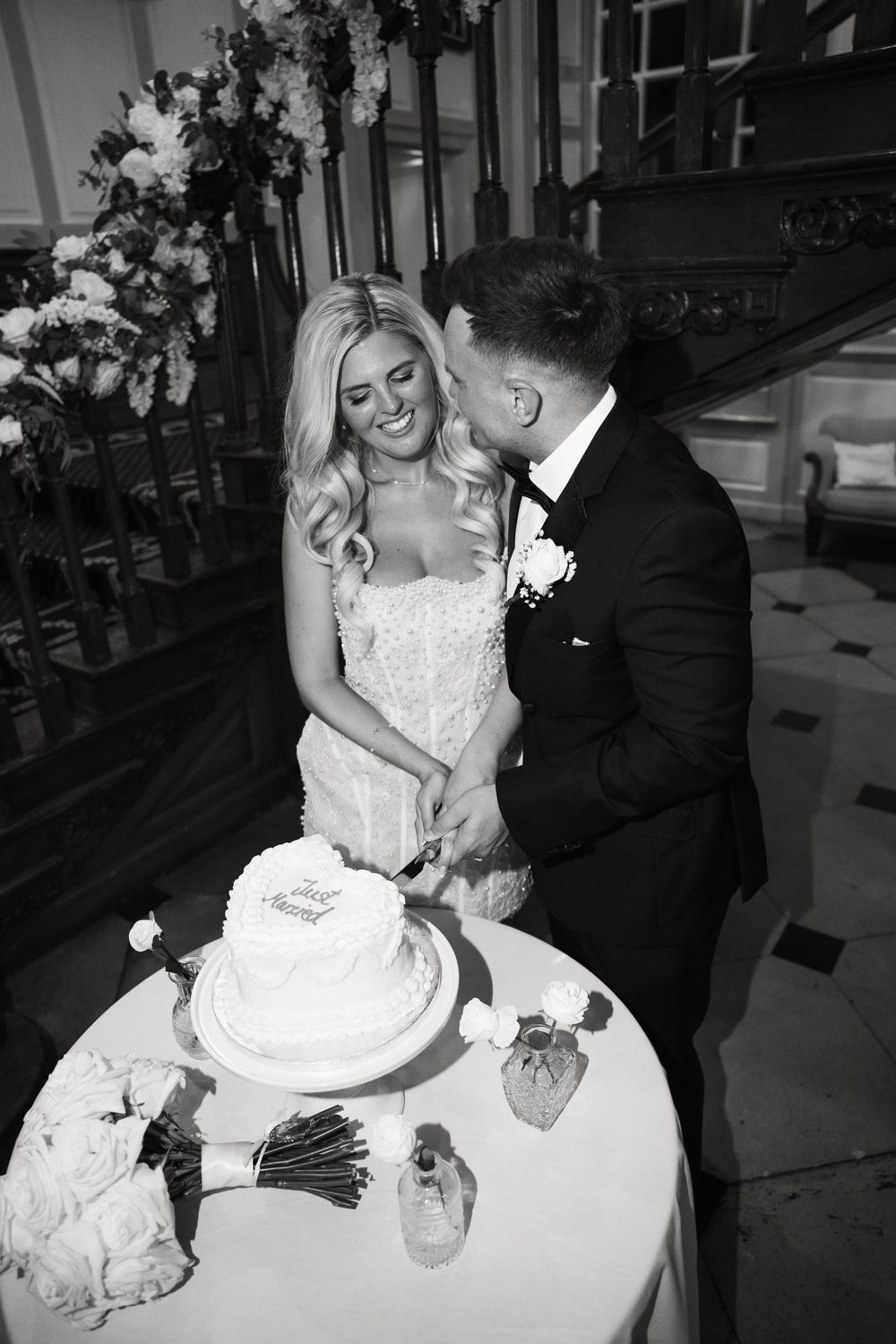
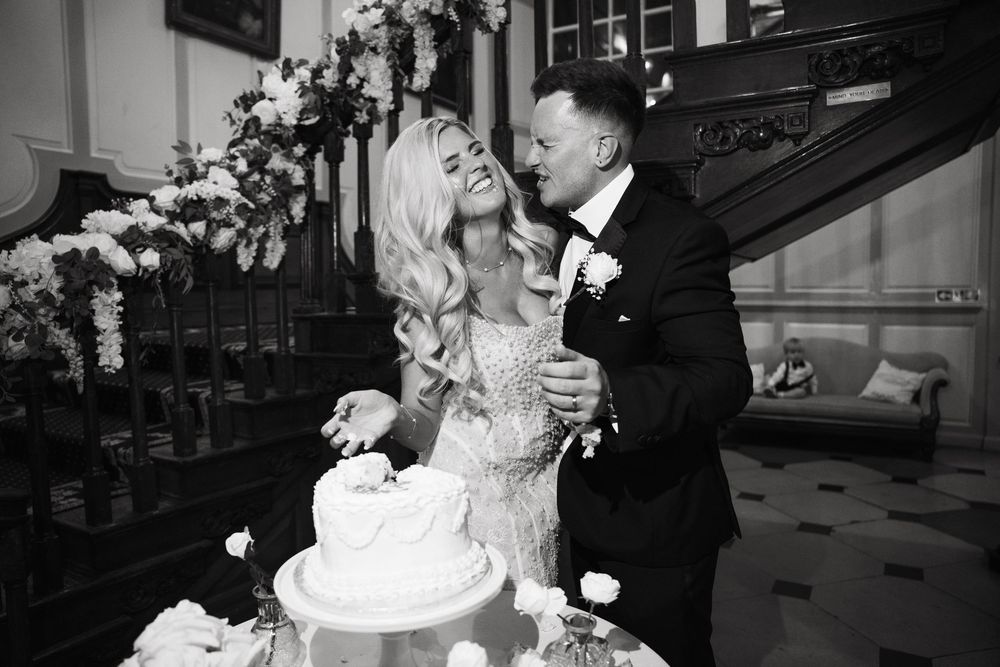
The dance floor is where the story closes. You want it to look as magical in photographs as it felt in the moment.
Final thoughts
Steph and Sam’s wedding shows that no day ever runs exactly as planned, but with good communication, preparation and trust, the photographs always turn out even better than expected.
If you’re planning your wedding and want to feel natural in front of the camera, start early:
- Build time into your morning schedule.
- Practice a few poses together.
- Keep your lighting simple.
- And above all, trust your photographer to guide you through it.
Because the truth is: your wedding photographs aren’t about perfect timelines. They’re about how it felt to live every one of those moments, and that’s what will matter years from now.
With love,
Karolina xx